Introduction[REF]
Long before the rise of modern industry, agriculture, and technology, human beings survived in remarkably diverse settings, latitudes, and climates.[REF] We all descended from highly adaptable “archaic” human ancestors. But we modern humans also descend from more recent populations that have diverged from our ancestral stock. These groups gradually adapted[REF] to specific ecological niches through variations in body size, skin color, metabolism, habits, and cultural beliefs.[REF] Natural selection—a real but quite limited force[REF]—tweaked the human blueprint to help our ancestors survive within their respective environments.
Despite this diversity, all modern humans are more than 99 percent identical in the coding regions of our DNA.[REF] And all our diverse ancestral groups shared some basic experiences. For instance, until recently, most human beings experienced periods without food. This required them to tap into a metabolic state called ketosis—a state most modern people rarely experience.[REF] And even our more recent ancestors routinely encountered temperature extremes, physical demands, natural threats, sun exposure, birdsongs, outdoor air, and close contact with animals and livestock.[REF]
In the past century, however, the developed world has radically departed not only from these more distant ancestral settings but even from the lifestyles of our ancestors from one or two centuries ago.[REF] For all preceding human history, human beings had no exposure to industrially refined grains,[REF] massive quantities of sweet fruits and refined sugar,[REF] countless synthetic compounds,[REF] vaccines,[REF] antibiotics,[REF] psychiatric drugs,[REF] concentrated heavy metals such as mercury and aluminum,[REF] artificial light,[REF] electronic technologies and screens,[REF] and intellectual revolutions inspired by materialist philosophies that breed despair and discourage procreation.[REF]
Modern innovations, unlike much modern philosophy, offer so many benefits that it might seem tedious to list them. Water, air, and food sanitation have saved countless millions.[REF] Antibiotics alone have saved hundreds of millions of lives in the 20th century.[REF] These and other innovations have helped double the life expectancy of the average denizen of the developed world over the past two centuries. Virtually no one in modern societies dies of starvation. Beyond matters of life and death, few adults would freely give up the scores of technologies that allow us to talk to loved ones over live video, fly to another continent in a few hours, or perform various other feats unimaginable to people closer to the trunk of our family tree.[REF]
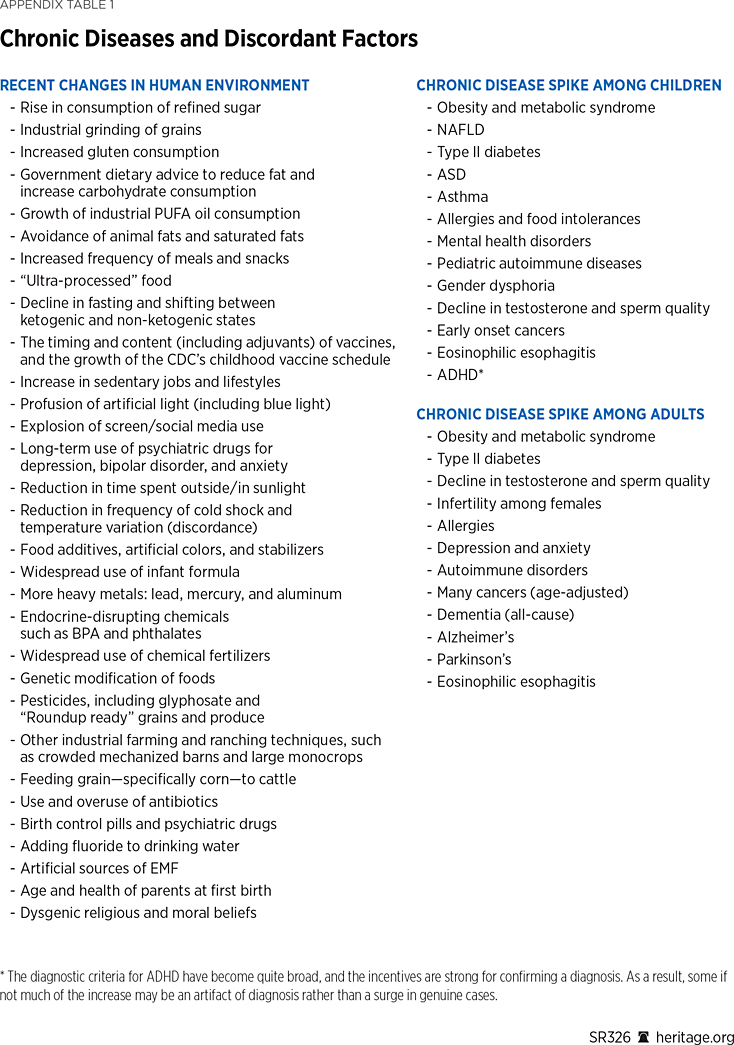
We are now realizing, however, that the countless ways we have changed our environment may have exacted a profound, if delayed, cost: an explosion of certain chronic diseases, especially among children.[REF] Many researchers refer to these as “diseases of civilization” or “Western diseases”—to distinguish them from acute and infectious diseases that have long plagued human beings and from the diseases that may appear in old age.[REF]
In his historic 2024 speech endorsing Donald Trump for President, Robert F. Kennedy Jr. (now Secretary of Health and Human Services) spoke at length about the crisis of childhood chronic disease.[REF] One of the key achievements of Kennedy and the Make America Healthy Again (MAHA) movement has been to elevate the chronic disease crisis among children and adolescents to sustained public debate.[REF]
The past 50 years have seen a staggering increase in chronic conditions in U.S. children, with the steepest spikes occurring in recent decades.[REF] Children now face “epidemics” of obesity, pre-diabetes, non-alcoholic fatty liver disease (NAFLD), severe autism spectrum disorder (ASD), gender dysphoria, anxiety, depression, asthma, allergies, type 1 diabetes, inflammatory bowel disease, celiac disease, eosinophilic esophagitis, declining testosterone and sperm quality, female infertility, and early onset cancers.[REF]
Adults experience parallel trends, including obesity, diabetes, allergies, depression, autoimmune disorders, cancers, dementia, Alzheimer’s, and Parkinson’s.[REF] (See the chart of chronic diseases and discordant factors at the end of this report.)
What is driving this surge in chronic diseases? That is a subject of intense debate, but we cannot afford to wait until we have all the answers. Every day, we make hundreds of choices that shape our health and well-being. And, for their part, government agencies establish guidelines and recommendations. While we await the clarity of well designed, randomized controlled trials to illumine the murky fog of causes and effects, what light will guide us? In the absence of certainty, we need principles grounded in reason, tradition, and prudence to guide a path forward.
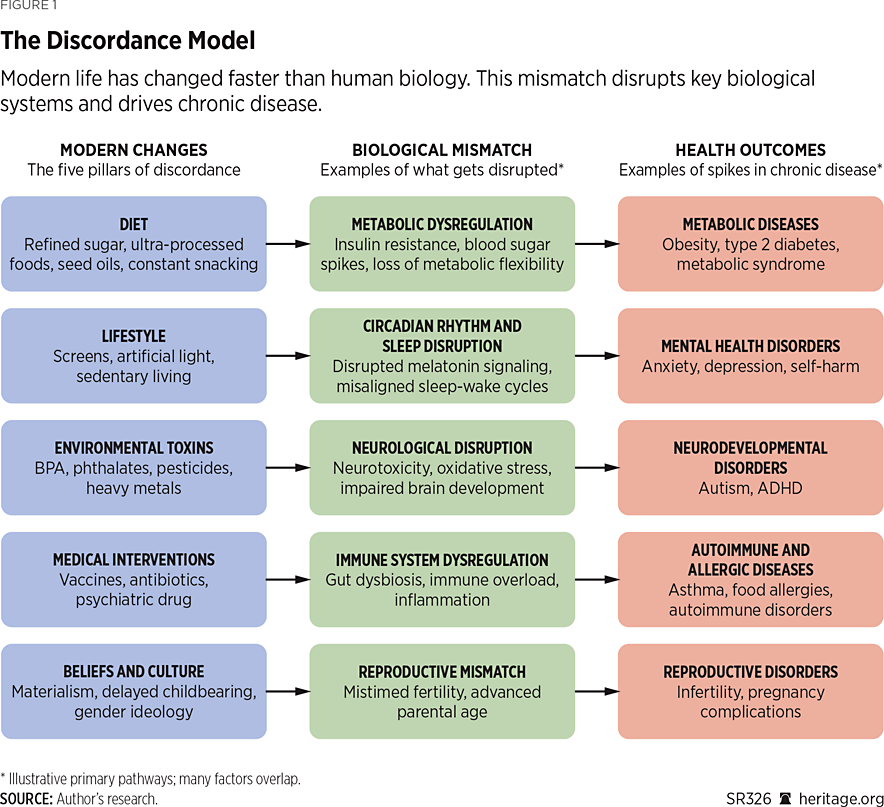
The discordance hypothesis offers just such a light. It proposes that this chronic disease explosion stems, at least in part, from a misalignment between our bodies (and minds) and our artificially created environment.[REF] Physiological and cultural traits that once enhanced our health now harm it.[REF] Modern humans, according to this hypothesis, exist in a state of “discordance”—a fundamental mismatch between modernity and the physiology we inherited from our premodern ancestors.[REF] We are out of sync with the world we have created.
The discordance hypothesis does not oblige us to embrace an extreme “precautionary principle.”[REF] We need not reject every innovation, defend every traditional practice, or cast off our smartphones and warm showers and return to the ways of hunter-gatherers. But it does encourage us to give the benefit of the doubt to foods and practices that have survived the winnowing process of history while scrutinizing new substances and practices introduced far faster than we can adapt to and whose long-term effects are unknown and plausibly harmful.
Detecting the Discordance Signal in Chronic Disease
Detecting the role of discordance in the recent explosion of chronic diseases, however, requires discernment for several reasons. First, modern innovations have extended the average lifespan in the developed world over the past two centuries. That means far more people now suffer from diseases of old age—including chronic diseases—simply because, on average, Americans do not die as early as they once did.
Second, some diseases that were once fatal are no longer so. For instance, before surgeon Frederick Banting and his assistant Charles Price found, in 1921, that injections of (animal) insulin could treat type 1 diabetes, the disease was a death sentence.[REF] Today, people with type 1 diabetics can live long lives. The same is true for other types of illnesses from cancer to common infections. Many such people now live much longer than they would have one or two centuries ago, even as they manage what is now a chronic disease.[REF]
The third complicating factor, related to the second, is that public health authorities, such as the World Health Organization and the Centers for Disease Control and Prevention (CDC), define chronic disease quite broadly—as any condition lasting 12 months or more and resulting in functional limits or ongoing medical care.[REF] They typically distinguish chronic from communicable diseases—such as COVID-19, the flu, or malaria. But these are not mutually exclusive. As a result, some communicable diseases, such as Hepatitis B and Hepatitis C, count as chronic. And some, such as HIV/AIDS, which were once deadly, are now held at bay with drugs.
Fourth, some of the increase in some diseases, such as attention-deficit/hyperactivity disorder (ADHD), is likely the result of subjective and expanding diagnostic criteria.[REF] This may happen because researchers believe the newer criteria are more accurate or because physicians have an incentive to diagnose patients with chronic illnesses, which can mean a sustained source of income—or both.[REF]
Add to the above simple fraud. In late 2025, Americans learned of massive Medicaid fraud schemes involving false diagnoses of autism by some members of the Somali community in Minnesota.[REF]
All of these factors can inflate the numbers of diseases in question—though the size of the effects is subject to fierce debate. They can also lead to overestimates of cost. For instance, in 2023, according to the CDC and the Centers for Medicare and Medicaid Services (CMS), the U.S. government spent $2.1 trillion treating chronic disease—90 percent of its total health costs. The total cost to Americans to treat “chronic disease” that year was $4.4 trillion.[REF] This is a staggering expenditure. But, as noted above, some of that is the result of expanding diagnostic criteria, perverse incentives, and medical progress in moving certain diseases from the “deadly” to “manageable” column.
In the following analysis, therefore, we focus specifically on recent spikes in metabolic, autoimmune, and mental diseases that are neither simply the result of our higher average lifespan compared to our ancestors nor the result of deadly communicable diseases now being treated as chronic illnesses. These diseases share key features:
- Childhood onset and age-adjusted. These diseases either appear in childhood or are age-adjusted. For instance, rates of adolescent and young adult obesity are much higher now than they were in 1990. This is not due to people living longer now than they did in 1990.
- Non-communicable. Except for certain cancers, none of the diseases in question is transmitted person to person or is otherwise communicable. NAFLD and type 2 diabetes, for instance, are not transmitted through the air, water, or bodily fluids.
- Rapid, recent increase. The dramatic rise in these diseases over one or two generations—while average life expectancy has changed little—suggests that genetics are not the primary cause. The human gene pool does not shift so quickly. The more likely culprits are recent environmental changes interacting with our biology.
- Not diagnostic artifacts. Improved or more frequent diagnoses may account for some of the increase in some diseases, such as ADHD. It is implausible, however, to explain the surge in many diseases—such as severe autism, obesity, and type 2 diabetes—solely by changes in diagnostic practices.
The most plausible remaining explanation for these trends is discordance, which we already have good reason to suspect. We know, for example, that heavy consumption of refined sugars and near-perpetual exposure to artificial light—which began scarcely a century ago—disrupt our metabolic and circadian rhythms.[REF]
Discordance provides a testable framework for understanding the chronic disease crisis and constructing a plan to reverse it. This includes not just individual and family choices but public policies as well.[REF]
Given the wide-ranging scope of the subject, the strength of evidence for discordance varies from case to case. In some cases, the causal evidence is compelling. In other cases, it is suggestive or unclear. But the sheer abundance of that evidence—much of it pointing in the same direction—coupled with a lack of good alternate explanations—warrants a serious research program guided by the discordance hypothesis.
In the following, we focus only on changes over the past several decades rather than distant changes in our lifestyle and environment. These recent changes strongly correlate with major spikes in one or more chronic diseases—especially among children and adolescents. These are the trends least vulnerable to the confounders mentioned above. We will explore some of the ways our biologically discordant diets, lifestyles, beliefs, technologies, environmental toxins, and medical interventions could be fueling this crisis and what we can do to regain our health as individuals and as a nation.[REF]
Dietary Discordances: From Ancestral Sustenance to Industrial Edibles
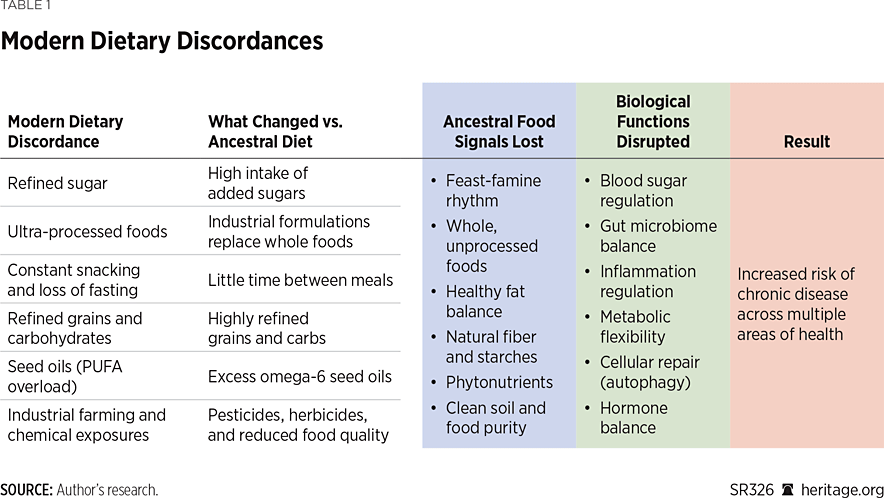
By necessity, traditional hunter-gatherer diets consisted of whole, minimally processed foods such as meats, tubers, and fruits.[REF] Contrary to current dietary fashion, animal fats and organ meats were prized as primary food sources whenever available.[REF] With the rise of agriculture, populations added to their diets cultivated grains, fermented vegetables, and—among groups who could tolerate lactose as adults—dairy products from domesticated animals.[REF]
Different groups relied on different macronutrient ratios: Some relied heavily on animal sources, while others consumed more carbohydrates such as tubers.[REF] But no one had access to refined sugar. Even natural sources of sugar—such as honey, dates, and fruits—remained extremely limited in most places. And no ancient fruits approached the sweetness of our modern cultivated varieties.[REF]
Even after sugar began to be refined from sugarcane and beets, most people consumed tiny amounts compared to today. Just a few centuries ago, Europeans consumed barely one pound per person per year. By 1800, consumption had risen to approximately 22 pounds per year. By 1900, it had nearly tripled to 65 pounds. By 2000, per capita consumption in the United States peaked at an astounding 149 pounds annually.[REF] While consumption has recently declined somewhat because of widespread use of artificial sweeteners (some of which may themselves have risks), it remains far above historical levels.[REF]
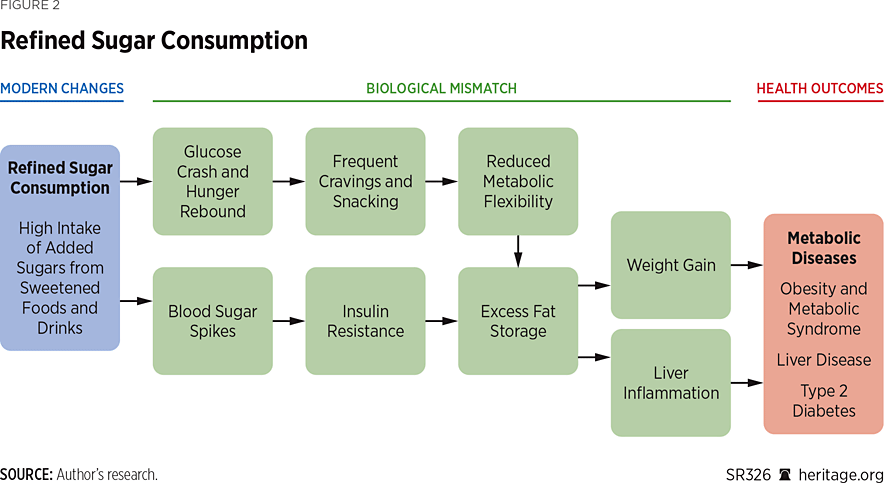
The industrial era introduced not only heaps of refined sugars but also ultra-processed grains and other blood-sugar-spiking carbohydrates, plus polyunsaturated fatty acid (PUFA)-rich “seed” oils.[REF] These and other innovations helped solve calorie deficits,[REF] but they also created a caloric abundance for which our “thrifty genes” are poorly suited.[REF] Such traits were adaptive in pre-modern settings, because they allowed our ancestors to store body fat during lean periods.[REF] In our world of plenty, however, these same adaptive traits can promote obesity.[REF]
More harmful than the calorie surplus is the fact that, over decades, gorging on sugar and other refined carbohydrates overwhelms the insulin responses of most people.[REF] The pancreas produces insulin to signal to the cells in our muscles and livers to absorb the sugar in our blood. But persistent blasts of sugar eventually give rise to insulin resistance, a type 2 diabetes precursor now affecting children as young as eight.[REF] It causes our bodies to store excess sugar as body fat rather than using it for energy. This mechanism contributes to childhood obesity and metabolic syndrome, where rates have tripled since the 1970s.[REF]
Long-term consumption of industrially processed grains has a similar effect. Modern pulverized grains spike blood sugar more than do the whole, ancestral grains eaten by many of our ancestors.[REF] Over decades, this continual spiking of blood sugar fosters insulin resistance.[REF]
Gluten consumption has also surged through modern wheat breeding, which often selects for higher gluten content.[REF] Combined with exposure to drugs, pesticides, and food additives, this has likely intensified food intolerances and autoimmune conditions.[REF] Celiac disease diagnoses, for instance, have quadrupled in recent decades.[REF]
Government dietary guidelines since the 1970s have poured gasoline on this metabolic housefire. For decades, the U.S. Department of Agriculture has told Americans to reduce fat intake—especially saturated fats. This demonization of nutrient-rich animal fats—human dietary staples for millennia—coincided with the promotion (and indirect subsidies) of PUFAs from corn, soybean, canola, and other “seeds.”[REF] These “seed oils,” absent from human diets until the 20th century, contain high levels of omega-6 PUFAs such as linoleic acid, which is associated with inflammation and oxidative stress that may increase chronic disease risk.[REF]
Some epidemiological data correlates higher PUFA intake with lower cardiovascular risk. Abundant research, however, including systematic reviews, consistently shows that saturated fat intake does not increase heart disease risk.[REF] Conversely, replacing natural fats with industrially produced PUFAs may contribute to childhood allergies, asthma, and metabolic disorders.[REF]
Because we must eat something, reducing dietary fat, in general, has meant increasing dietary carbohydrates and sugar.[REF] “Ultra-processed” foods, comprising 70 percent of the calories of American children, are profoundly discordant. Loaded with additives, artificial colors, flavors, stabilizers, and refined carbohydrates, these products disrupt human gut microbiomes that traditionally thrived on fiber-rich, fermented foods common in ancestral diets.[REF] Higher ultra-processed intake correlates with youth obesity, NAFLD, insulin resistance, and cardiometabolic risks.[REF] These foods elevate risks for over 30 conditions, including depression and premature death.[REF]
Even babies can be affected. Infant formula typically lacks nutrients present in the breast milk of nursing mothers.[REF] These differences may affect babies’ immune systems and microbiomes.[REF] Like many modern environmental changes, formula feeding is linked to allergies and obesity.[REF]
The decline in fasting and ketogenic states—ancestral norms during food scarcity and fasting seasons—represents another body-environment mismatch.[REF] Constant snacking prevents metabolic flexibility in which our bodies can switch easily between sugar-burning and fat-burning (ketogenic) states.[REF] Our lack of such flexibility fuels metabolic syndrome and its associated diseases, from diabetes to hypertension.[REF] A persistent lack of fasting also prevents our cells from entering the state of recycle and repair called autophagy.[REF] This likely contributes to the prevalence of certain cancers.[REF]
In the past two thousand years, even cultures with little risk of starvation maintained religious fasting traditions—some quite rigorous. Today, only Eastern Rite Catholic and Eastern Orthodox Christians retain more than a vestige of the more rigorous traditional fasting calendars. (Recently, however, the benefits of fasting have re-entered the public conversation.[REF])
Industrial farming likely intensifies our dietary discord. Chemical fertilizers, genetically modified organisms, and pesticides such as glyphosate have made food much cheaper and more abundant. But evidence suggests these also contaminate our food supply.[REF] Almost all Americans and American farm animals ingest glyphosate (brand name: Roundup), which is used on genetically modified, “Roundup-ready” crops. While these products deliver measurable benefits, they likely disrupt our gut microbiota, contributing to NAFLD, inflammation, and even chronic anxiety.[REF]
The meat from grain-fed cattle differs from the meat of the grass-fed animals that supplied our ancestors’ meat.[REF] Grain feeding alters beef’s fatty acid profile, reducing helpful omega-3 fats while increasing pro-inflammatory compounds.[REF] These shifts disproportionately affect children, whose developing metabolisms are less resilient.[REF] This change in meat’s nutrient profile may help explain rising infertility, early cancers, and the mysterious testosterone decline among males since 1980.[REF]
Finally, our consumption of dairy products has changed radically over the past two centuries. The rise of crowded industrial farming for cattle increased the risk of contamination, which was addressed with near-universal pasteurization. The upside of this is obvious. The downside is not. Pasteurization degrades enzymes and destroys not only pathogens but also beneficial microbiota.[REF] Their loss may be contributing to a rise in allergies and food intolerance, though the current evidence is scattered.[REF]
In short: If an awareness of discordance had guided dietary advice and practice for the past half century, we might have avoided some of our chronic disease crisis.[REF]
A Clash of Lifestyles: Sedentary Bodies in a Hyper-Stimulated World
Most ancestral humans maintained far more active lifestyles than we do—balanced by abundant rest. Indeed, many pre-agricultural populations were nomadic.[REF]
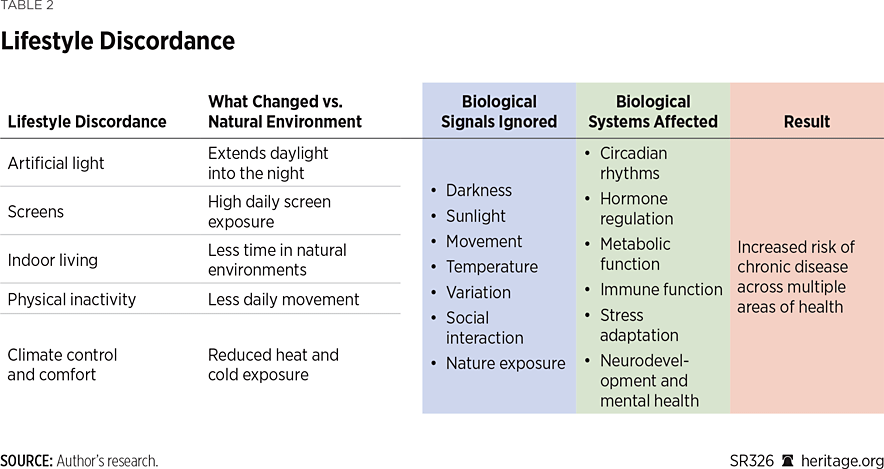
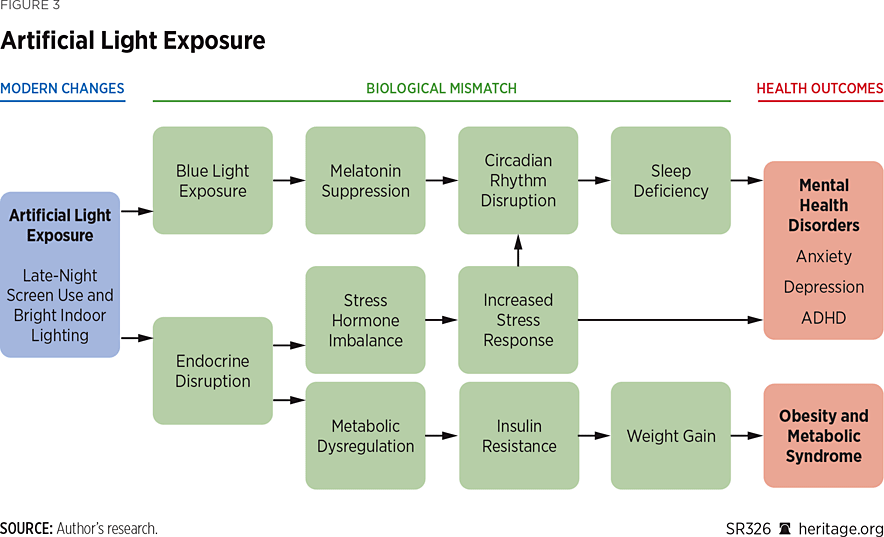
Our ancestors experienced natural light cycles, wide changes in temperature, and genuine nighttime darkness.[REF] Excluding fire, oil lamps, and candles, humans have experienced artificial light for only about a century. TV, computer, and smartphone screens are even more recent innovations. Children now spend over seven hours daily on screens, squeezing out earlier norms of work, play, sleep, and study.[REF]
Such ubiquitous sources of light have no historical precedent. Artificial light and excessive screen time disrupt sleep through exposure to blue light, which suppresses natural melatonin and mimics perpetual daylight. This creates profound misalignment with our natural circadian rhythms, which are designed for dark nights.[REF]
Sleep deficits from this disruption heighten risks for childhood anxiety, depression, and ADHD.[REF] Artificial light at night compounds these problems by altering hormone regulation and feeding mental health disorders.[REF] Reduced sunlight exposure also means our bodies synthesize far less vitamin D than we need.[REF] Vitamin D deficiency is linked to autoimmune diseases and allergies.[REF]
Artificial climate control and hot water heaters, combined with less outdoor time, mean we experience far fewer cold shocks and fluctuations in temperature across our days and seasons. This may sound like all upside with no downside. Emerging evidence suggests, however, that intermittent exposure to cold and heat builds resilience through hormesis.[REF] Hormesis is exposure to low doses of a stressor or toxin that, while harmful at high doses, produces helpful adaptive responses, analogous to an immune response. “What doesn’t kill you makes you stronger” seems to be true, within limits, at the cellular and physiological level.[REF]
Our ancestors did not merely survive temperature changes. There is emerging evidence that both heat and cold exposure help regulate the balance between our sympathetic and parasympathetic nervous systems.[REF] One possible result is that many modern people, who rarely experience these contrasts of heat and cold, suffer a sort of phantom anxiety and sleeplessness seemingly without external cause.[REF]
Modern climate control and overly sterile settings may also weaken our immune responses, exacerbating asthma and allergies.[REF]
The proliferation of social media and smartphone screens is devasting to the health of Americans born after 1995. Increases in screen time since 2010 are tightly linked to shocking spikes in anxiety, depression, and suicide.[REF] In his recent book The Anxious Generation, social scientist Jonathan Haidt identifies four “fundamental harms” of these technologies, especially for minors: social deprivation, sleep deprivation, attention fragmentation, and addiction.[REF] This not only floods our eyes with blue light at all hours but also fosters isolation. This contrasts with the familial and tribal bonds that defined most of human history—and even the lives of Americans as recently as the 1980s.[REF] These highly addictive technologies[REF] also transmit toxic ideas, fueling mental health crises—including gender confusion and distress—among children and adolescents.[REF] (More on this below.)
Environmental Toxins: Invisible Assaults on Our Bodily Design
Our ancestors faced natural toxins and pathogens, including many deadly ones. But they never encountered today’s synthetic barrage of heavy metals, endocrine-disrupting chemicals, and electromagnetic fields (EMF).[REF] Perhaps some new exposures are benign or even hermetic. And perhaps the benefits of some outweigh even the long-term costs.
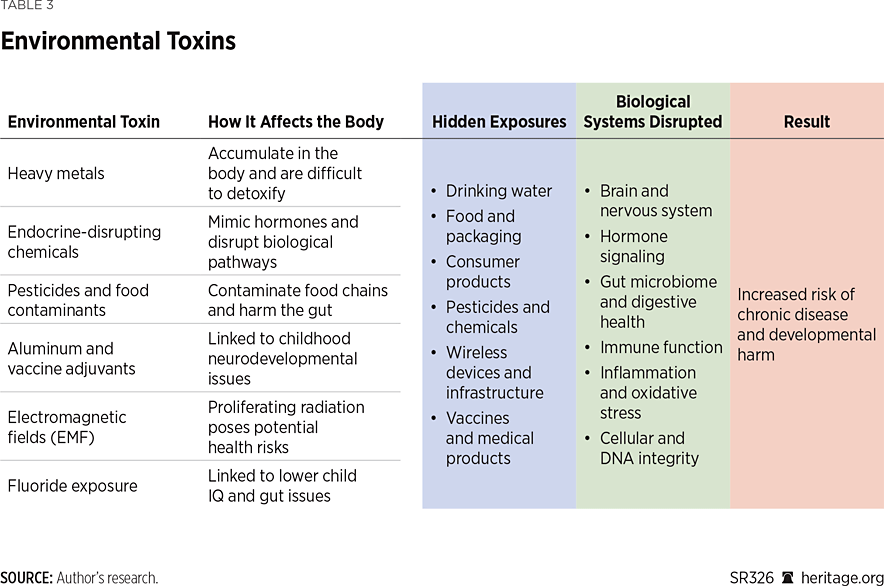
In many cases, however, that seems unlikely. For instance, we know that lead, mercury, and aluminum can accumulate in our bodies and that our bodies appear poorly adapted to detoxify them.[REF] Happily, many sources of lead, mercury, and arsenic exposure have been reduced over the past several decades. Mercury (thimerosal) is still used in some flu vaccines, however, and aluminum is still common in countless consumer items and in vaccines. Exposure may contribute to neurodevelopmental issues such as autism and ADHD.[REF]
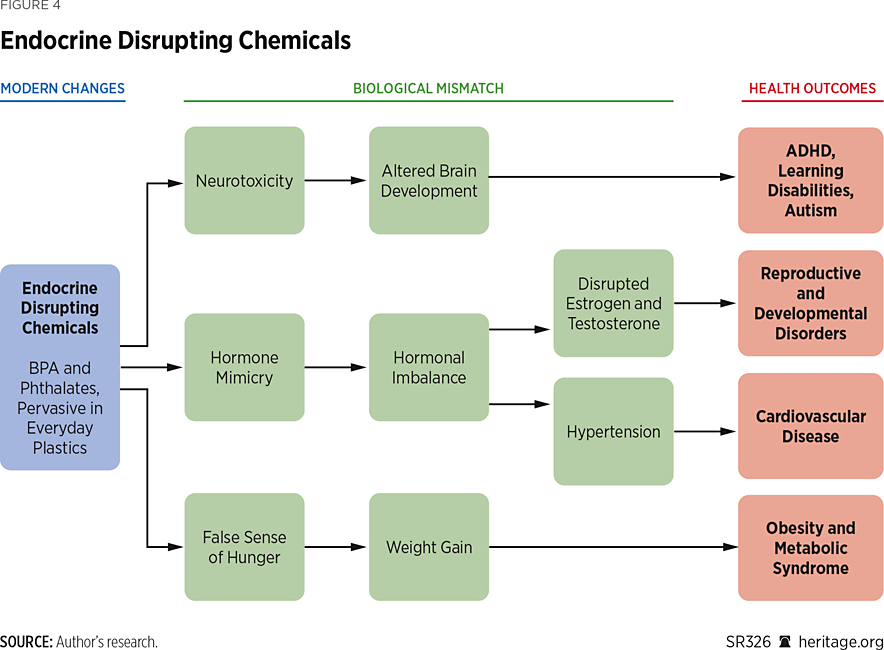
Endocrine-disrupting chemicals such as Bisphenol A (BPA) and phthalates, which are pervasive in plastics, mimic hormones and can disrupt estrogen and testosterone pathways.[REF] Prenatal exposure may increase childhood obesity, metabolic syndrome, and reproductive disorders.[REF] These chemicals can also cause hyperleptinemia (a false sense of hunger), hypertension, and neurotoxicity—all out of sync with our ancestral environments that had their dangers but were free of artificial hormones and hormone disruptors.[REF]
As previously noted, pesticides including glyphosate, combined with industrial techniques that crowd animals into barns, can contaminate food chains, promoting gut dysbiosis and even cancers.[REF]
EMF exposure from cell phones, cell towers, and the like has proliferated in recent decades.[REF] Though the health effects from these sources of electromagnetic radiation are poorly understood, they may raise risks of leukemia and brain development in children exposed to stronger fields over extended periods of time.[REF] And recent evidence suggests that excessive use of Bluetooth earbuds may cause thyroid nodules.[REF]
Finally, when the United States began adding fluoride to water after the 1940s, some populations received amounts now linked to reduced IQ in children.[REF] It may also disrupt healthy gut microbiota.[REF] While low-dose fluoride may benefit teeth, officials may have underestimated the downside of this policy.
The Downside of Medical Interventions: Overriding Our Bodies’ Safeguards
Similar patterns emerge with drugs and other medical interventions. Antibiotics, for instance, are a great blessing, but overuse gives rise to antibiotic-resistant bacteria and disrupts the gut biota that ideally maintain symbiotic balance with our bodies. These effects, in turn, increase the risk of drug-resistant infection and autoimmune disease.[REF]
Birth control pills alter hormones, affecting a woman’s psychological state and even her mate preferences.[REF] The Pill may also affect offspring at the epigenetic level. (That is, the effect may be passed to offspring even if it is not expressed in the genome.)[REF]
The CDC’s expanded childhood vaccine schedule—from seven doses in 1980 to over 70 in 2025—introduces antigens, adjuvants such as aluminum, and other ingredients to immature immune systems.[REF] These were utterly foreign not only to our distant ancestors but even to Baby Boomers and Gen Xers, who were subjected to far fewer vaccines than were children born more recently.
While some vaccines can reduce the severity of or even prevent acute diseases, the approval processes for the current schedule fail to inspire confidence. The Hepatitis B vaccine, for instance, was approved after a study of 147 children followed for a mere five days. Though this is now changing, for years the CDC has recommended that American infants receive their first dose on the day of birth.[REF]
No vaccine on the current childhood schedule was subject to testing against a genuinely neutral placebo. Nor has the schedule’s overall safety ever been tested. Massive industry pressure and influence over research, media coverage, and even journals have prevented honest, open inquiry on this subject.[REF] Despite widespread claims to the contrary, not one vaccine has been thoroughly tested to rule out its role in chronic disease.[REF] We are only now beginning the public debate about the role these unprecedented interventions may play in the spike of immune-system-mediated, autoimmune, and other diseases.
Consider autism. Autism rates in 1950 were approximately one to four in 10,000. These rose to one in 150 by 2000. In 2025, the ratio may be as high as one in 31.[REF] While increased (and profligate) diagnosis may explain some of this rise, the manifest spike in severe autism is undeniable. This growth correlates with the expansion of the CDC vaccination schedule. Despite widespread claims that vaccines play no role in the rise of autism, critics rightly note that few if any studies are well-designed to justify such conclusions.[REF]
Researchers avoid conducting a simple comparison of vaccinated and unvaccinated populations.[REF] Such a study alone would not establish that vaccines cause autism (or other conditions), but it would detect a signal if one exists. However, the National Institutes of Health has thus far refused to sponsor such a study. (Vaccine critic Aaron Siri has argued in sworn Senate testimony that the preliminary studies that have been done have been effectively suppressed—a charge predictably denied by officials.[REF])
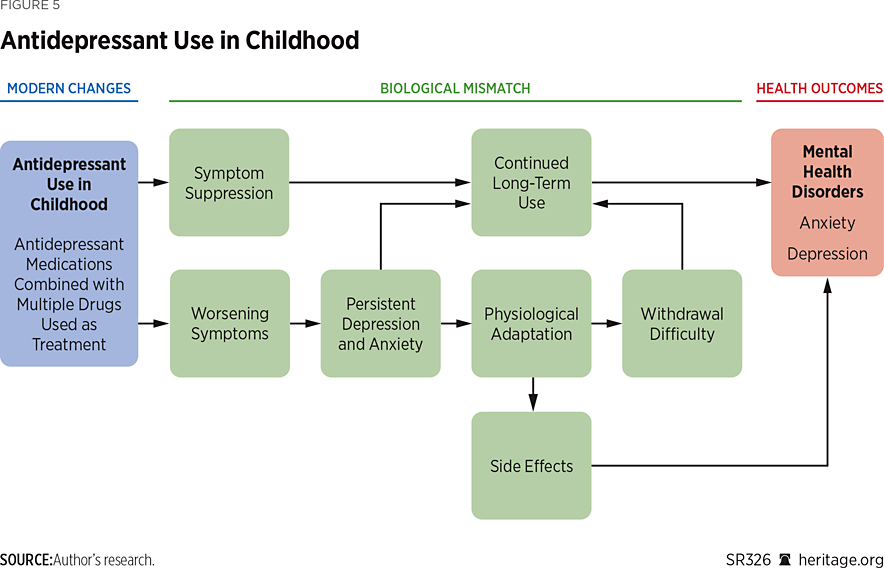
Vaccine concerns are a subset of broader concerns with overmedicalization. In recent decades, more American children and adults have received prescriptions for one or more psychiatric drugs. Millions of Americans find themselves on drug cocktails for years—despite the lack of safety testing for such long-term use.[REF] Consider antidepressants. In 1990, about 2.5 percent of Americans took at least one antidepressant.[REF] By 2002, this jumped to 8.1 percent—a more than three-fold increase, largely due to the proliferation of selective serotonin reuptake inhibitors (SSRIs) like Prozac.[REF] By 2018, 15 percent of the population was filling at least one such prescription annually.[REF]
This rise in the use of antidepressants, often begun in childhood, has not led to a decline in cases of depression.[REF] Quite the contrary. Depression and the use of antidepressants have risen together in what researchers call a “treatment-prevalence paradox.”[REF] Such a paradox suggests that some of the drugs used alone or in combination to treat these conditions may, in some cases, make the conditions worse. Government agencies and drug companies have little incentive to consider such iatrogenic harm, but it seems likely nonetheless.[REF]
Again, these chemical cocktails were unknown even to our nearest ancestors. They have not been safety tested for combined use—even though millions of Americans take them for years or even decades. And we know that for some, these drug cocktails may worsen dependency cycles and give rise to debilitating side effects.[REF]
Bad Practices and Dysgenic Beliefs
No organism, no matter how tiny or “simple,” is a mere sack of chemicals. And no human being is a mere organism. We are embodied persons. As a result, we should expect feedback between our physical and mental health and among our bodies, our practices, and our beliefs. Medical scientists have long recognized the placebo effect, for instance, which is surprisingly strong. But that is just a hint of a wider reality. There is widespread evidence that our religious and political beliefs can affect our physical and mental health. They can even confer a selective advantage or disadvantage on individuals and populations.[REF]
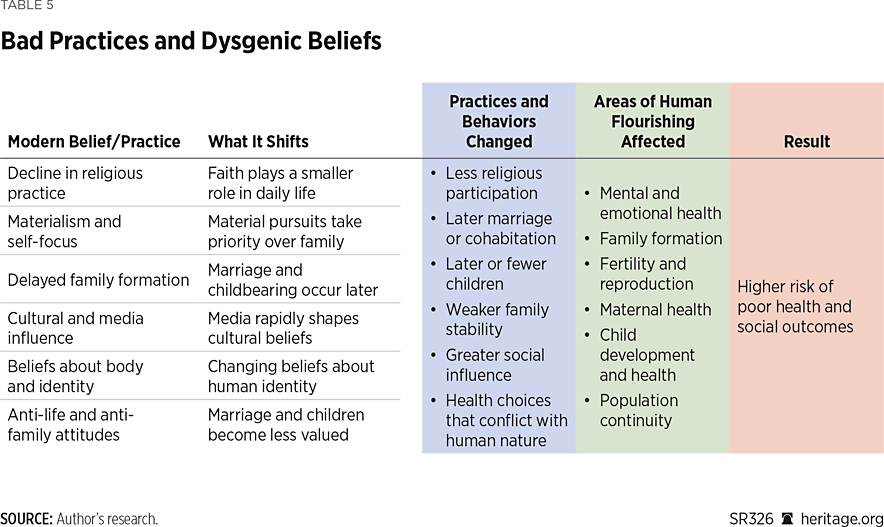
Some of the beliefs that distinguish the modern world from every age before it can be especially debilitating. Social scientists have recently noted, for instance, that conservative religious couples are likely to have more children than liberal irreligious ones are.[REF] It is easy to conjure up plausible explanations for this difference in average family size. For instance, which of the following 30-year-old couples do you think is more likely to have lots of kids?
- A married Mormon couple who believe they and their children have an eternal destiny and that God has commanded them to be fruitful and multiply.
- Two cohabiting left-wing atheists worried about an impending climate catastrophe who think of children as carbon footprints.
We all intuit the answer. Highly religious Americans who attend worship services at least weekly maintain fertility rates around 2.0–2.4—above the replacement rate of 2.1. Nonreligious rates are at 1.3 and dropping.[REF] The larger a family, the more likely it is to be religious.[REF]
Conservative religious Americans also report being happier than irreligious liberals do.[REF] This is especially stark among women.[REF] A 2024 American Family Survey, analyzed by the Institute for Family Studies, showed that conservative women are three times more likely to report being “completely satisfied” with life (37 percent) than liberal women (12 percent).[REF]
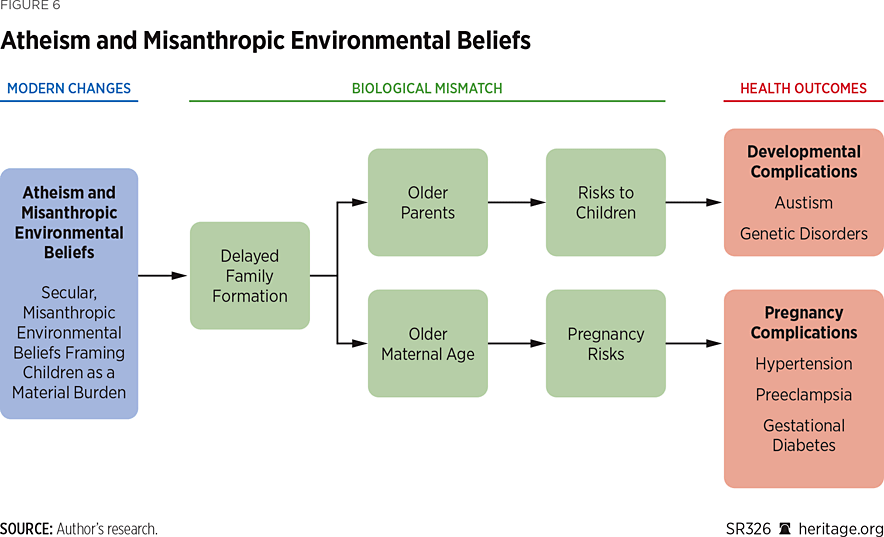
Then there is the matter of fertility. Compared to our ancestors, contemporary parents typically have far fewer children and bear them much later in life.[REF] Some of this shift is due to the much shorter lifespans of previous generations, who thus had a strong incentive to form families early.[REF] Another factor is that the family farm (and other child labor) has all but disappeared, so few families have an economic incentive to have lots of children. Then, too, artificial means of birth control are now ubiquitous, as are the means to terminate a child’s life in the womb. Still, much of the drop in fertility rates in recent decades is driven not by necessity but by beliefs and preferences.
Why does this matter? Because drastic delays in childbearing put modern parents ever more out of sync with their windows of peak fertility. Children born to older parents have higher risks for ASD and genetic disorders. Older mothers are at higher risk for blood pressure, preeclampsia, and gestational diabetes.[REF] And once again, religiously observant Americans are more likely than their secular counterparts to marry, to marry earlier, to have children earlier, and to have more children.
Ideas and practices that contradict natural reality can take an especially severe toll on our health. There is no more glaring current example of this than the epidemic of gender dysphoria in adolescents, which researcher Lisa Littmann famously referred to as “rapid onset gender dysphoria.”[REF] Most adolescents feel some discomfort when they start puberty.[REF] But until recently, very few boys came to believe that they were girls or girls that they were boys.[REF]
A human being cannot “have a male body” but somehow really be a female. It is not possible to be “born in the wrong body,” both male and female, or neither male nor female.[REF] And yet, over the past two decades, under the dark spell of social media influencers, media, counselors, doctors, and teachers, millions of kids in the developed world have come to believe the impossible.
Diagnoses of so-called gender dysphoria among American girls skyrocketed roughly 5,000 percent from 2010 to 2021.[REF] Most such girls have other psychological and neurological comorbidities.[REF] For instance, boys are much more likely than girls to be diagnosed with ASD.[REF] And yet about one-third of girls diagnosed with gender dysphoria are also diagnosed with autism.[REF]
Not all pathogens are biological. Ideas, too, can spread like a virus, and some of those ideas violate our biological design plan. Historically, have there ever been more culturally discordant ideas than gender ideology and modern atheistic materialism? Natural selection will not treat kindly a culture or subculture that denies cosmic purpose, sterilizes its children, and prizes almost everything else above forming stable families.[REF]
Realigning Our Lifestyles with Our Design Plan
This survey is intended as a preliminary and suggestive summary of scientific evidence—much of it from peer-reviewed professional literature—that our modern environment is out of sync with our minds and bodies and that this discordance is a major cause of the crisis of chronic diseases over the past few decades, especially in our children. This is a moral and fiscal catastrophe.
Ending this catastrophe does not require that we return to the Paleolithic Age. It does require us to assess the full costs of the many practices, technologies, and substances we have recently introduced into our environment and, where needed, to find ways to reclaim or replicate key ancestral practices. This is the least we can do if we want to reduce chronic disease and restore our individual and collective health.[REF]
Much of this reclamation is within the power of individuals and families—at least for those who can afford it. If one uses the discordance hypothesis as a guide, such reclamation may include a focus on whole, organic, natural foods and an avoidance of added sugars, refined carbohydrates, and industrial seed oils.[REF] UC Berkeley professor and food journalist Michael Pollan has distilled this policy into a simple rule: “Don’t eat anything your great-great-grandmother wouldn’t recognize as food.”[REF]
Other practices aligned with our ancestral design include marrying and forming families earlier than the current norm;[REF] frequent movement and resistance exercise;[REF] moderate exposure to natural light and the outdoors;[REF] reducing artificial toxins in food, air, and water; becoming far more conservative in our use of pharmaceuticals;[REF] periodic shifts between fed and fasted states to maintain metabolic flexibility;[REF] moderate but frequent heat and cold exposure;[REF] traditional religious practice and belief;[REF] and tempered exposure to artificial light, screens,[REF] and social media.[REF]
At the same time, we need brave, independent, open-minded scientists and public health officials to study the issues sketched above. We need solid, peer-reviewed research to reveal the risks and rewards not only of our diets and our use of technology but of medical interventions such as vaccines, painkillers, psychiatric drugs, antibiotics, and any other practices that may conflict with our natural design plan.
Human effort and ingenuity unwittingly created the chronic disease crisis. Surely, they can help reverse it.
Jay W. Richards, PhD, is Vice President of Social and Domestic Policy and William E. Simon Senior Research Fellow at The Heritage Foundation.
Appendix 1: Some Broad Public Health Policy Suggestions
- Revise dietary guidelines. Update federal dietary recommendations to prioritize whole foods, animal fats and proteins, and low-glycemic vegetables and produce. Drop the strict limits on saturated fats; discourage the consumption of refined sugars, ultra-processed carbohydrates, industrial seed oils, non-nutritive food additives, and pesticides. Base guidelines on discordance principles to promote metabolic flexibility and reduce insulin resistance.
- Pivot away from agricultural subsidies for corn, soy, and other crops used in ultra-processed carbohydrates and seed oils and toward organic, grass-fed meats, eggs, dairy, and nutrient-dense produce to make ancestrally aligned agriculture and diets more affordable and accessible.
- Restrict government funding of junk foods. Restrict the Supplemental Nutrition Assistance Program and other government food funding to foods consistent with healthy ancestral diets. Provide more consistent and focused warnings on ultra-processed foods high in refined sugars, additives, and artificial ingredients. Require clear labeling for glyphosate residues, genetically modified organisms, and seed oil content to inform consumer choices.
- Encourage metabolic flexibility. Fund public health campaigns and school programs that promote metabolic flexibility and reduced snacking, with guidelines integrated into nutrition education.
- Promote breastfeeding and improve infant formula to promote infant microbiomes. Enact policies to support and promote extended maternity leave, workplace accommodations for breastfeeding, and infant formulas that conform to ancestral patterns.
- Create more flexible regulations that allow consumers to purchase and consume safe raw dairy products.
- Pursue evidence-based policies on potential toxins. Promote industry-independent research on endocrine-disrupting chemicals (e.g., BPA and phthalates) in plastics and consumer products, glyphosate, and other pesticides in food production, with incentives for organic and regenerative farming practices.
- Address heavy metals and fluoride. Support testing and industry-independent research on the health effects of heavy metals (lead, mercury, and aluminum, etc.) in water, air, vaccines, and contrast media injected for MRIs and CAT scans. Reassess fluoride levels in public water supplies to minimize risks to IQ and gut health.
- Promote school recess and physical fitness for children.
- Promote outdoor activity, moderate exposure to natural light, and resistance training for everyone.
- Promote cold/heat exposure therapies such as saunas and cold plunges in both private and community settings.
- Limit artificial light and screen time. Establish evidence-based guidelines for the use of screens and social media during school time, especially for young students, as well as for blue light filters in public buildings and schools. Support campaigns to reduce nighttime artificial light pollution and encourage “digital curfews” for children to align with circadian rhythms and good mental health. Explore new technologies (such as electronic paper screens) that may have fewer harmful effects.
- Reform vaccine and medical intervention policies. Commission independent, genuinely inert placebo-controlled studies on the full childhood vaccine schedule’s long-term effects. Require transparency in adjuvant use and fund research comparing vaccinated with unvaccinated populations for chronic disease signals. Support state and federal medical freedom legislation to ban medical mandates.
- Curb overuse of antibiotics. Implement stricter guidelines for antibiotic prescriptions, especially in agriculture and pediatrics, with incentives for probiotic use and microbiome restoration to prevent gut dysbiosis and autoimmune risks.
- Support earlier family formation. Support policies to make family formation easier for younger couples. Offer tax incentives and other policies for young families—such as child tax credits starting earlier in adulthood—to encourage childbearing during peak fertility windows and reduce risks such as ASD from advanced parental age.
- Reform psychiatric drug use. Mandate industry-independent, long-term safety studies for antidepressants and other psych drugs, particularly in children. Develop evidence-based tapering protocols for safely weaning off psychiatric drugs. Promote non-pharmacological alternatives such as exercise and therapy through insurance coverage to address iatrogenic harm.
- Research and, if needed, mitigate EMF exposure. Fund industry-independent research on EMF health effects to determine safer exposure limits for wireless devices in schools and homes. If research reveals a need for limits, promote wired alternatives and “EMF-free” zones in public spaces.
- Shift priorities in funding for public health research. Allocate federal grants for discordance-based studies on chronic diseases, prioritizing independent research free from industry influence to guide evidence-based policy reforms.