

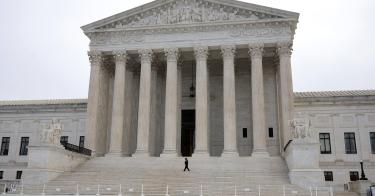
In a crucial decision emphasizing the role of families in education, the U.S. Supreme Court has ruled in favor of parental notification regarding students' “gender” identity expressions in public schools.
The case, Mirabelli v. Bonta, originated from a 2023 lawsuit filed by two California teachers, Elizabeth Mirabelli and Lori Ann West, against the Escondido Union School District and state officials, including Attorney General Rob Bonta.
The teachers challenged district policies that required educators to use students' preferred names and pronouns while prohibiting disclosure to parents without the student's consent. They argued these rules violated their religious freedoms under the First Amendment and parental due process rights under the Fourteenth Amendment.
The policies stemmed from California state laws, such as AB 1955, which generally barred schools from requiring notification to parents about a child's gender identity or expression without consent, unless mandated by other legal requirements.
In December 2025, U.S. District Judge Roger Benitez granted a class-wide permanent injunction. The injunction blocked enforcement of these policies statewide and declared them unconstitutional for interfering with parents' fundamental rights to direct their children's upbringing and education. The state appealed, and the Ninth Circuit Court of Appeals issued a stay pausing the injunction.
On March 2, the Supreme Court, in a 6-3 decision, reinstated the district court's injunction, which allowed educators to notify parents when a child tells a teacher they are confused about their sex.
Justices Clarence Thomas and Samuel Alito indicated they would grant the application in full, while Justice Amy Coney Barrett, joined by Chief Justice John Roberts and Justice Brett Kavanaugh wrote a concurring opinion. Justices Elena Kagan, Sonia Sotomayor, and Ketanji Brown Jackson dissented.
The majority rationale centered on the Fourteenth Amendment's protection of parental rights. The justices stated that withholding information about a child's gender identity from parents undermines their ability to safeguard their children's well-being. Parents would be unable to make informed decisions about education and mental health.
The Court emphasized that such policies cut parents out of critical family matters, asserting that fit parents hold primary responsibility for their children's best interests. This ruling reinforces the principle that government should not supplant parental authority in public schools without compelling justification.
This piece originally appeared in Real Truth Media



