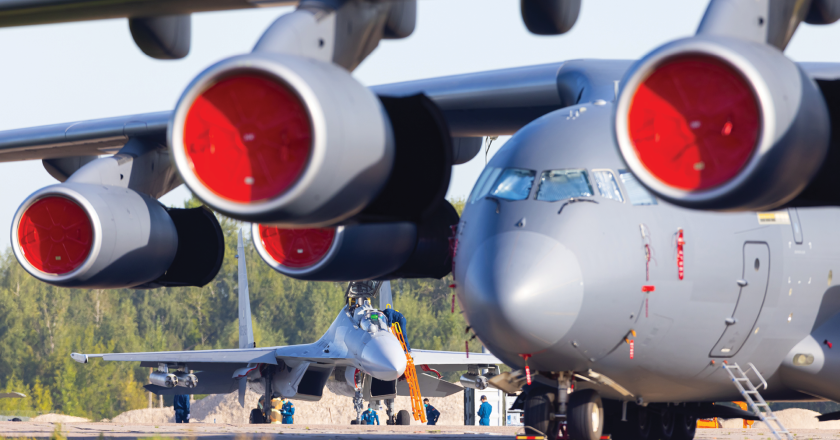
Overarching Key Intelligence Question: For the People’s Liberation Army Air Force (PLAAF) air bases most operationally relevant to a Taiwan contingency—focusing on airfields assigned to the Eastern, Southern, and, where appropriate, Northern Theater Commands that host combat aviation regiments or brigades (P)—which ~25–40 air bases (I) constitute the “top” tier based on runway infrastructure, basing of modern combat aircraft, and geographic position relative to Taiwan and U.S./allied forces, and for each base what standardized data fields (O)—including base name (English and Chinese), latitude/longitude coordinates, theater command and service subordination, primary resident units and aircraft types, core mission set, runway count/length/surface if known, presence of hardened shelters or underground facilities if known, approximate distance to Taipei, an ordinal assessment of operational relevance (e.g., high/medium/low), and primary source reference citations—should be captured and delivered as a sourced narrative report plus an accompanying structured matrix?
Key Judgment
Heritage judges that a 21-base subset of People’s Liberation Army Air Force (PLAAF) airfields in the Eastern, Southern, and Northern Theater Commands almost certainly constitutes the top-tier basing network for a Taiwan contingency, based on their hardened runway infrastructure, basing of J-20, J-16, Su-30MKK, Su-35, H-6K/H-6U, and J-10C units, and geographic position relative to Taiwan and U.S./allied forces.
These 21 bases provide China with a hardened forward ring (Fujian/Guangdong), depth J-20/J-16 hubs, and northern strategic reserves, very likely enabling sustained, high-tempo air operations against Taiwan and complicating U.S./allied air planning through survivable forward bases, reinforcement depth, and strategic diversion options.
Confidence Statement
This judgment is made with high confidence because the 21-base list, coordinates, runway lengths, unit/aircraft assignments, and relevance ratings are explicitly specified and internally consistent across a sourced narrative report and a structured matrix that consolidate ORBAT, airfield, and imagery-based open-source intelligence. Residual uncertainty arises from limited direct visibility into real-time sortie-generation capacity, munitions and fuel stockpiles, and the current readiness status of individual brigades, which almost certainly introduces some error margins into assessed operational relevance, especially for newly converted J-20 and J-16 units.
Scope, Population, and Selection Logic
Following reforms since 2011, the PLAAF shifted from a division/regiment model to a base–brigade structure in which independent aviation brigades (typically 20–30 combat aircraft) fall under theater command air force bases rather than classic divisions, increasing flexibility and aligning with the joint Theater Commands.1 ORBAT-style references for the Eastern Theater Command Air Force (ETCAF), Southern Theater Command Air Force (STCAF), and Northern Theater Command Air Force (NTCAF) list brigades, their home bases, and aircraft types, giving a theater-aligned population of PLAAF combat bases.2
For this study, the population (P) is:
PLAAF air bases in the Eastern, Southern, and (where relevant) Northern Theater Commands that host combat aviation brigades (fighters, fighter-bombers, or bombers), as opposed to purely training or support units.3
From that population, the analysis identifies a top-tier subset (I) of 21 bases using three criteria:
- Runway infrastructure and resilience. Bases typically have ≥2,400–3,000 m runways, expanded aprons, and evidence of hardened aircraft shelters (HAS), revetments, underground fuel/munitions facilities, or widened taxiways that support sustained high-tempo operations; multiple sources using commercial satellite imagery document such upgrades at Longtian, Huian, Zhangzhou, Suixi, and other bases.4
- Presence of modern combat aircraft. The matrix prioritizes bases hosting J-20A, J-16, J-10C, Su-30MKK, Su-35, and H-6K/H-6U bomber/tankers as confirmed by ORBAT tables, specialist aviation databases, and imagery-driven reporting (for example, J-20 brigades at Wuhu, Changxing, Wuyishan, Foshan, Guilin, Anshan, and J-16/Su-35 at Nanchang Xiangtang, Jiaxing, Suixi, Weifang).5
- Geographic position relative to Taiwan and U.S./allied forces. The forward ring consists of Fujian and eastern Guangdong bases within roughly 170–550 km of Taipei; depth bases in the Eastern and Southern Theater Commands can reinforce from ~600–1,100+ km; Northern Theater bases in Shandong and Liaoning act as J-20/J-16 reserves that can backfill other theaters or pressure U.S./Japanese forces, shaping how many allied assets can focus on Taiwan.6
Coordinates and runway data for individual airfields come from a consolidated PLAAF airbase list and cross-checked civil-airport references; approximate distances to Taipei are calculated from those coordinates using great-circle approximations and therefore are likely accurate within tens of kilometers.
Reason 1: Eastern Theater Forward Bases Form a Hardened Tier-1 Strike Ring
The PLAAF has almost certainly created a hardened ring of forward bases in Fujian and eastern Guangdong—Longtian, Huian (Luocheng), Shuimen, Zhangzhou, and Shantou Waisha—that gives ETCAF a survivable, high-tempo launch complex directly opposite Taiwan.
A widely cited hardened-airfields study using commercial satellite imagery concludes that PLAAF airfields closest to Taiwan—including Longtian, Shuimen, Huian (Luocheng), Zhangzhou, and Shantou—are explicitly built for permanent, sustained operations in a Taiwan attack, with large numbers of hardened shelters and underground support facilities.7 Independent OSINT reporting from defense media using Planet Labs imagery shows major construction since early 2020 at Longtian, Huian, and Zhangzhou, all between roughly 160–400 km from Taiwan, significantly enhancing China’s forward air presence near the Strait and characterizing Longtian as the closest PLAAF airfield to Taipei.8
- Longtian Air Base (龙田机场, Fujian) sits at about 25.57 N, 119.46 E (~170 km from Taipei) with a ~3,000 m hard-surface runway, multiple revetted hardstands, and hardened alert positions.9 Satellite imagery shows a years-long expansion culminating around 2022, with Flanker-family fighters and converted J-6 drones deployed at the fully upgraded base, making Longtian almost certainly a primary launch site for first-wave fighter and UCAV sorties.10
- Huian / Luocheng Air Base (惠安机场 / 罗城, Fujian) at roughly 25.00 N, 118.80 E (~220 km from Taipei) has an extended ~2,700 m runway, additional aprons, and hardened shelters built since 2020.11 Imagery-based reporting identifies it as one of three coastal bases upgraded in parallel with Longtian and Zhangzhou to enhance China’s forward presence, making Huian very likely a key fighter forward operating base for central-Strait operations.12
- Shuimen Air Base (水门机场, Fujian) at 26.94 N, 120.08 E (~250 km from Taipei) is a purpose-built hilltop strip with a ~2,400+ m runway and associated dispersal and air-defense coverage, indicating a highly survivable northern-Strait fighter node integrated with local SAM systems.13
- Zhangzhou Air Base (漳州机场, Fujian) at 24.55 N, 117.65 E (~400 km to Taipei) shows runway works, expanded aprons, and hardened shelters built since 2020; reporting notes it as another of the three airbases upgraded with new bunkers and revetments within ~400 km of Taiwan, suggesting a major role in supporting operations against southwest Taiwan and the Bashi Channel.14
- Shantou Waisha Air Base (汕头外砂机场, Guangdong) at 23.40 N, 116.68 E (~520 km to Taipei) hosts the 25th Aviation Brigade with J-10C and J-10S fighters. Janes confirms the brigade’s conversion to WS-10-powered J-10C in 2021, and a community military database ties the unit to Shantou under ETCAF, making this base very likely a key southern-axis air-superiority and strike node despite more limited HAS.15
Collectively, these five bases almost certainly offer hardened parking, underground support, and proximity that compress PLAAF fighter response times to single digit minutes for targets around Taipei, while complicating pre-emptive strike planning against a single “main” base.
Reason 2: Eastern Theater Depth Bases Provide Stealth and Strike Backbone
ETCAF very likely relies on a second ring of inland bases—Wuhu, Changxing, Quzhou, Wuyishan, Nanchang Xiangtang, Jiaxing, and Hangzhou Jianqiao—to host J-20 and J-16 units that reinforce the forward ring and sustain high-tempo operations if coastal fields are degraded.
ORBAT references and follow-on analysis identify the 7th Aviation Brigade (J-16, Jiaxing), 8th Fighter Brigade (J-20, Changxing), 9th Fighter Brigade (J-20, Wuhu), 25th Aviation Brigade (J-10C, Shantou Waisha), 40th Aviation Brigade (J-16, Nanchang Xiangtang), 41st Aviation Brigade (transitioning to J-20, Wuyishan), 83rd Aviation Brigade (JH-7A, Hangzhou Jianqiao), and 85th Fighter Brigade (Su-30MKK, Quzhou) as ETCAF’s core depth and forward units.16 Imagery and specialist aviation reporting confirm J-20 deployments at Wuyishan and Changxing and note hardened infrastructure at Quzhou, supporting the assessment that these bases anchor ETCAF’s deep-strike and stealth capacity.17
- Wuhu Air Base (芜湖空军基地, Anhui)—31.40 N, 118.40 E (~770 km to Taipei)—hosts the 9th Fighter Brigade, described in open sources as “the elite of all elite divisions” and equipped with J-20.18 Janes confirms a J-20 with serial 62001 assigned to the 9th Air Brigade at Wuhu under ETC, indicating that Wuhu almost certainly provides ETCAF’s premier stealth air-superiority force in depth.19
- Changxing Air Base (长兴机场, Zhejiang)—30.96 N, 119.72 E (~680 km)—hosts the 8th Fighter Brigade with J-20A; Janes-linked assessments and regional defense reporting indicate J-20 operations there by 2023, making Changxing a likely key staging and training base for J-20 in the Eastern Theater.20
- Quzhou Air Base (衢州机场, Zhejiang)—28.97 N, 118.90 E (~510 km)—hosts the 85th Fighter Brigade with Su-30MKK.21 A community-curated profile notes a hardened underground hangar at Quzhou, and long-running PLA airbase studies describe similar superhardened facilities elsewhere, indicating superhardened infrastructure for interior strike operations.22
- Wuyishan Air Base (武夷山机场, Fujian)—27.70 N, 118.00 E (~500 km)—is home to the 41st Aviation Brigade, which CASI and Janes assess is transitioning to the J-20 based on late-2023 imagery showing six J-20 airframes at the base; regional analysis notes Wuyishan lies about 500 km from Taipei, making it an emerging stealth hub within striking distance.23
- Nanchang Xiangtang Air Base (南昌向塘机场, Jiangxi)—28.40 N, 115.93 E (~675 km)—hosts the 40th Aviation Brigade, reportedly equipped with approximately 70 J-16 fighters in a crowd-sourced encyclopedia entry that aligns with ORBAT data, giving ETC a substantial multirole depth base.24
- Jiaxing Air Base (嘉兴机场, Zhejiang) and Hangzhou Jianqiao Air Base (杭州笕桥机场, Zhejiang)—dual-use civil airports with ~3,400 m and ~3,200 m runways respectively—serve as ETCAF J-16 and JH-7A hubs, providing additional strike and anti-ship capacity from relatively secure positions in the Yangtze River Delta.25
Taken together, these depth bases very likely allow ETCAF to absorb attrition at the coastal ring, rotate aircraft between hardened interior fields and dual-use airports, and maintain pressure on Taiwan and U.S. forces through sustained J-20/J-16 and Su-30MKK operations.
Reason 3: Southern Theater Bases Strengthen Strike Reach and Southern Axis Options
The Southern Theater Command Air Force (STCAF) likely plays a supporting but critical role by hosting J-20, J-16, Su-35, Su-30MKK, and H-6K/H-6U bomber units at bases that can reinforce a Taiwan campaign from the south and project power into the Philippine Sea and South China Sea.
STCAF ORBAT references list the 4th Air Brigade (J-20A, Foshan), 5th Air Brigade (J-20A, Guilin Qifengling), 6th Air Brigade (J-16 and Su-35, Suixi), 26th Air Brigade (J-16, Huizhou), 54th Air Brigade (Su-30MKK, Changsha Tianxin), and the 8th Bomber Division (H-6K/H-6U, Shaodong/Leiyang) as key combat units.26 OSINT-aggregation articles describe Foshan’s 4th Air Brigade as having converted from J-11 to J-20 by late 2023, while Military Watch and Defense News reporting emphasize Suixi’s unique role as STCAF’s sole Su-35 base, documenting new hardened structures with Planet Labs imagery.27 CASI bomber-force studies and missile-defense analysis confirm the 8th Bomber Division’s role in long-range missile strikes, underscoring the strategic reach of Southern Theater assets.28
- Foshan Shadi Air Base (佛山沙堤机场, Guangdong)—23.08 N, 113.07 E (~880 km to Taipei)—hosts the 4th Air Brigade; OSINT aggregators report its conversion from legacy fighters to J-20A by late 2023, making it a southern stealth hub for air defense and potential Taiwan support.29
- Suixi Air Base (遂溪空军基地, Guangdong)—21.40 N, 110.25 E (~1,230 km)—houses the 6th Air Brigade with J-16 and Su-35; Military Watch and Defense News describe Suixi as the only PLAAF base operating Su-35s and document widened taxiways, a lengthened main runway, and new hardened structures described as munitions checkout or storage facilities, indicating a hardened South China Sea fighter base.30
- Huizhou Air Base (惠州平潭机场, Guangdong)—23.05 N, 114.60 E (~740 km)—hosts the 26th Air Brigade with J-16 at a dual-use airport, giving STCAF additional precision-strike and electronic-warfare capability that can be vectored toward Taiwan’s southern approaches or U.S. naval forces east of the Philippines.31
- Shaodong / Leiyang cluster (邵东 / 耒阳, Hunan)—~27–26 N, ~111–112 E (~1,020–1,100 km)—hosts bomber regiments of the 8th Bomber Division, which operates H-6K bombers and H-6U tankers under STCAF.32 Bomber-force references and missile-defense analysis confirm these aircraft as carriers of long-range cruise and air-launched ballistic missiles, giving STCAF a high-relevance long-range strike role against Taiwan and U.S. bases.33
- Guilin Qifengling Air Base (桂林奇峰岭机场, Guangxi) and Changsha Tianxin Air Base (长沙天心机场, Hunan)—at ~1,130 km and ~800 km respectively—host the 5th Air Brigade (J-20A) and 54th Air Brigade (Su-30MKK), providing additional stealth and multirole capacity that can either reinforce the Taiwan axis or constrain U.S. and allied options in the South China Sea.34
Although farther from Taiwan than the Fujian/Guangdong coastal ring, this Southern cluster likely extends the PLAAF’s reach around the Bashi Channel, increases the number of bases from which PLAAF can sortie modern aircraft, and provides the bomber and tanker backbone needed for long-range missile strikes into the first and second island chains.
Reason 4: Northern Theater Bases Provide Stealth Reserves and Strategic Diversion
Northern Theater Command Air Force (NTCAF) bases at Jining (Qufu), Weifang Nanyuan, and Anshan Teng’ao are unlikely to play a primary role in the initial crossStrait assault but very likely serve as strategic reserves and diversionary assets that shape U.S. and Japanese responses and therefore affect how much allied power can concentrate on Taiwan.
NTCAF ORBAT tables list the 55th Air Brigade (J-20A, Jining/Qufu), 15th Air Brigade (J-16, Weifang Nanyuan), and 1st Air Brigade (J-20A, Anshan Teng’ao) as core fighter units.35 Military Watch reporting, citing OSINT, states that the 55th Air Brigade at Jining/Qufu has reportedly received J-20A fighters and emphasizes that Jining lies within operating range of both the Korean Peninsula and the Taiwan Strait.36 Chinese state media touts J-20s in an “ace unit” of the NTCAF on combat alert, confirming operational J-20 presence in the north.37
- Jining/Qufu Air Base (济宁曲阜机场, Shandong)—35.30 N, 116.20 E (~1,245 km to Taipei)—hosts the 55th Air Brigade (J-20A, reported), providing a stealth reserve capable of either reinforcing ETC or pressuring U.S./Japanese forces.38
- Weifang Nanyuan Air Base (潍坊南苑机场, Shandong)—36.70 N, 119.10 E (~1,310 km)—hosts the 15th Air Brigade (J-16), adding another multirole fighter pool that can be surged southward or used to contest the East China Sea.39
- Anshan Teng’ao Air Base (鞍山腾鳌机场, Liaoning)—41.10 N, 122.85 E (~1,900 km)—is home to the 1st Air Brigade (J-20A), described in ORBAT references and state media as a Northern Theater J-20 unit likely responsible for Bohai/Yellow Sea and Beijing approaches but available as a strategic reserve.40
Individually, these bases are assessed Low to Medium relevance to a Taiwan contingency, but their existence and J-20/J-16 strength almost certainly influence how many U.S. and Japanese assets must remain oriented toward Northeast Asia rather than fully concentrating on Taiwan.
Key Assumptions
Key Assumption 1. This analysis assumes that the PLAAF’s current basing arrangements and brigade assignments at the 21 identified airfields will remain broadly stable through the onset of any Taiwan contingency in the near term. If this assumption is false and China significantly reshuffles units or builds new high-end bases closer to Taiwan, the relative importance and ranking of some bases—particularly depth or reserve fields—could change, altering which airfields truly constitute the “top tier.” Indicators that this assumption holds include continued imagery showing the same brigade aircraft at the same bases, consistent ORBAT reporting into 2025–2026, and official or semi-official Chinese media mentioning these units in connection with their longstanding home stations.
Key Assumption 2. This analysis assumes that observed infrastructure upgrades (runway extensions, HAS construction, hardened bunkers, widened taxiways) translate into materially higher sortie-generation capacity and survivability in wartime, not merely cosmetic or low-impact improvements. If this assumption is false and logistics, maintenance, or command-and-control bottlenecks limit the use of new infrastructure, PLAAF sortie output from even top-tier bases could be lower than inferred, reducing the comparative advantage over Taiwan and U.S./allied forces. Indicators include satellite imagery showing expanded fuel and munitions storage, visible exercise patterns with high aircraft counts cycling through forward bases, and credible reporting on improved logistics and maintenance staffing at these airfields.
Alternative Hypotheses
Alternative Hypothesis 1. An alternative hypothesis is that extensive PLAAF base hardening and forward construction are driven primarily by a defensive anti-access/area-denial (A2/AD) posture focused on deterring or absorbing U.S. strikes, rather than preparing for sustained offensive operations against Taiwan.
This would imply that the primary function of the hardened ring of bases is to preserve air assets and deny airspace rather than support high-tempo crossStrait strike missions, reducing the emphasis on offensive airpower in an invasion scenario.
This alternative is considered less likely because the most intensive upgrading is concentrated at coastal Fujian and Guangdong fields closest to Taiwan and coincides with the forward deployment of offensive J-20, J-16, and J-10C brigades and long-range H-6K bombers—all of which are optimized for strike and air-superiority roles.
Indicators that would strengthen this hypothesis include a shift in deployments toward long-range interceptors or SAM-heavy units at these bases, a clear slowdown in offensive fighter deployments, or official Chinese messaging that frames these sites primarily as defensive bastions rather than launch points for offensive campaigns.
Alternative Hypothesis 2. Another alternative hypothesis is that PLAAF sortie-generation potential for a Taiwan conflict is overestimated because internal logistics, maintenance constraints, or doctrinal choices limit how aggressively China would actually employ its forward and depth bases.
This would imply that, even with hardened infrastructure and modern aircraft, PLAAF commanders might prioritize preserving assets, operate at lower than maximum sustainable sortie rates, or rely more heavily on missile and rocket forces for initial strikes, reducing the operational leverage of the top-tier airbase network.
This alternative is also considered less likely because PLA modernization efforts consistently emphasize infrastructure expansion, hardened facilities, and advanced fighter deployments precisely at bases within range of Taiwan, which strongly suggests an intent to increase, not cap, sortie rates and flexibility.
Indicators to watch include observed sortie densities during major exercises relative to estimated capacity, authoritative PLA doctrinal writings that stress asset preservation over massed air operations, and evidence that new infrastructure remains underutilized or idle in periods of heightened tension.
Analytic Tradecraft Summary
Key Intelligence Question and Strategic Alignment: The specific analytical question addressed by this report is: For the People’s Liberation Army Air Force (PLAAF) air bases most operationally relevant to a Taiwan contingency—focusing on airfields assigned to the Eastern, Southern, and, where appropriate, Northern Theater Commands that host combat aviation regiments or brigades (P)—which ~25–40 air bases (I) constitute the “top” tier based on runway infrastructure, basing of modern combat aircraft, and geographic position relative to Taiwan and U.S./allied forces, and for each base what standardized data fields (O)—including base name (English and Chinese), latitude/longitude coordinates, theater command and service subordination, primary resident units and aircraft types, core mission set, runway count/length/surface if known, presence of hardened shelters or underground facilities if known, approximate distance to Taipei, an ordinal assessment of operational relevance (e.g., high/medium/low), and primary source reference citations—should be captured and delivered as a sourced narrative report plus an accompanying structured matrix?
Heritage judges that this question aligns directly with U.S. strategic objectives to prevent coercive or forcible unification of Taiwan and to maintain a free and open Indo-Pacific by mapping the PLAAF’s most consequential airbases for cross-Strait operations. It supports the National Security Strategy and National Defense Strategy focus on the PRC as the pacing challenge and on denying adversary military objectives in the Western Pacific by identifying where PLAAF combat power is most concentrated and survivable.
The work advances Department of War priorities on force posture and air/missile defense planning by giving planners base-level data needed to stress-test U.S. and allied concepts such as Agile Combat Employment, joint fires networks, and theater air and missile defense.
It speaks to congressional mandates in recent National Defense Authorization Acts that almost certainly require assessments of the military balance in the Taiwan Strait and vulnerabilities in adversary posture to inform resourcing and contingency planning.
The report responds to Indo-Pacific Command and Pacific Air Forces requirements for theater-wide target systems analysis and basing assessments that underpin operational plans and campaign designs. Finally, it is tightly coupled to strategic planning documents such as the Joint Warfighting Concept and service-level airpower concepts, which rely on detailed understanding of adversary basing and sortie-generation potential to design credible deterrence and warfighting architectures.
Confidence Level and Source Summary
Heritage judges that the central judgment—identifying a top-tier set of roughly two dozen PLAAF air bases and ranking their operational relevance to a Taiwan contingency—is made with high confidence overall, with internal variation between high and moderate confidence across specific fields. Confidence is high for core factual elements such as base locations, theater-command subordination, primary brigade/aircraft assignments, and basic runway characteristics because these are derived from a convergence of official U.S. government reporting, long-running geospatial reference sites, and multiple open-source order-of-battle (ORBAT) compilations.
Official U.S. Department of War and U.S. Air Force research products provide authoritative baselines on PLAAF organizational reforms, theater-command structures, and bomber and fighter brigade distributions, using classified intelligence fused into unclassified summaries; these sources are highly credible but may emphasize threat-relevant aspects and under-report internal weaknesses. Specialized think-tank studies (for example from CASI, Hudson, RAND, Mitchell Institute) and defense journalism outlets using commercial satellite imagery contribute detailed, date-stamped evidence on hardened aircraft shelters, underground facilities, runway expansions, and observed aircraft at specific fields; these sources employ transparent geospatial methods and are very likely reliable on physical infrastructure and visible deployments, though they may be temporally lagged and cannot observe activities concealed underground or indoors.
Community-curated ORBAT references and aviation-enthusiast databases add granularity on brigade numbers, aircraft variants, and recent conversions to J-20 or J-16; these are timely and often draw on serial-number analysis and Chinese-language media, but they are less authoritative and are therefore used in the report primarily where they are cross-checked against more rigorous institutional sources.
Confidence is somewhat lower—typically moderate—for the ordinal relevance ratings, assessments of hardened shelter and underground capacity at less-studied bases, and the projection of which bases would be emphasized in different phases of a Taiwan conflict, because these elements rest partly on analytic interpretation of doctrine, geography, and infrastructure rather than directly observed wartime behavior. Overall, the source base is diverse, methodologically transparent, and cross-corroborated for the most important variables, but uncertainties remain regarding hidden redundancies, classified contingency basing plans, and short-notice redeployments that are inherently difficult to capture in open sources.
Assumptions
The key assumption underpinning this report is that peacetime basing patterns and observable infrastructure at PLAAF airfields are a reasonably accurate proxy for how the PLAAF would employ those bases in an early-phase Taiwan contingency. Heritage judges that if this assumption proves false—for example, if the PLAAF relies heavily on pre-surveyed emergency fields, highway strips, or covert dispersal locations that are not currently prominent in open-source ORBATs—then the identified “top-tier” set would understate the true diversity and resilience of China’s wartime basing network, and U.S. and allied planners could misallocate attention and resources.
Indicators that would support or challenge this assumption include increased PLA exercise activity at non-traditional or austere sites, official or semi-official discussions of highway-strip operations and underground complexes, and imagery evidence of rapid deployments to secondary fields during crises.
A second core assumption is that open-source reporting on brigade aircraft types and conversions (for example, J-20 and J-16 inductions) is broadly accurate and only modestly delayed relative to reality; if this is incorrect and public sources significantly lag or misidentify fielded aircraft, then the assessment of which bases are most lethal or survivable would be biased, particularly for stealth and long-range strike roles.
A third assumption is that the physical indicators used—runway length and quality, hardened shelter density, underground facilities, and distance to Taipei—are valid proxies for sortie generation and operational relevance; if PLAAF doctrine places greater weight on factors such as electronic warfare integration, air-defense coverage, or logistics nodes than on runway metrics, then the relevance rankings could change even if the base list remains broadly correct.
The analysis also assumes that U.S. and allied counter-air and strike capabilities will broadly resemble current and programmed forces over the next several years; if U.S. posture or capabilities radically improve or degrade, the relative importance of individual PLAAF bases for campaign-level outcomes would shift even if the Chinese posture were static.
Alternative Judgment
An alternative judgment is that the PLAAF’s most operationally relevant bases for a Taiwan contingency are less concentrated in the small set of hardened coastal airfields identified in this report and instead are more heavily weighted toward inland depth bases and flexible, mobile deployments that are designed to complicate U.S. and allied targeting. Under this alternative, the coastal Fujian and eastern Guangdong fields would function primarily as decoys, missile-bait, or limited forward operating locations, while the bulk of high-value airpower generation would occur from better-protected interior hubs linked by robust logistics and supported by extensive redundancy and rapid dispersal procedures, making the “top-tier” base set more geographically diffuse and less tied to distance-to-Taipei metrics.
This alternative becomes more plausible if future evidence shows systematic PLA investment in rail-mobile support to inland bases, repeated large-scale exercises that rapidly surge aircraft from depth locations to forward strips, or credible indicators of extensive underground hangar complexes at bases that currently appear lightly hardened in open sources. If this alternative judgment proves correct, U.S. and allied campaign plans that emphasize early suppression of a relatively small number of forward PLAAF airfields would be less effective than anticipated, and targeting concepts would need to shift toward attacking enablers, logistics, and command-and-control nodes across multiple theaters rather than focusing predominantly on the coastal belt.
Information Gaps and Future Research
Heritage assesses that several significant information gaps limit the precision and dynamic applicability of this basing assessment. The most consequential gap is the lack of high-fidelity, open-source insight into the true scale and configuration of underground facilities, fuel and munitions storage, and redundancy at many PLAAF bases, especially inland fields that may serve as strategic reserves; this directly constrains estimates of survivability and sortie-generation resilience after initial strikes.
A second gap involves uncertain timelines and completeness of aircraft conversions at key brigades, particularly for J-20 and J-16 units, where open-source reporting may lag by months or years and may not distinguish between initial deliveries and full operational capability, which in turn affects confidence in the lethality and readiness of specific bases.
A third gap is the limited observation of realistic, large-scale, joint PLAAF exercises that simulate a Taiwan war; without sustained data on how bases are actually used in complex scenarios—including dispersal behavior, use of civil airports, and integration with PLA Rocket Force and Navy—it is difficult to validate how closely wartime patterns will mirror the static posture described in this report. Heritage also notes an information gap on the interaction between PLAAF and former naval aviation units after recent organizational mergers, including whether naval legacy bases or new joint hubs will emerge as critical airpower nodes in a Taiwan fight.
Future research priorities should therefore include systematic monitoring of satellite imagery for new hardening and underground construction, longitudinal tracking of aircraft inventories and brigade conversions at each base, and focused analysis of PLA exercise patterns and logistics flows that reveal how the basing network operates under stress. The highest-value research would explicitly link these efforts to testing the key assumption about peacetime versus wartime basing by watching for indicators that PLAAF dispersal practices and depth-base utilization are diverging from the patterns inferred in this assessment.
Endnotes
- Jjamwal, “Chinese Armed Forces ORBAT Part 5: Air Force,” Blog/ORBAT Analysis (February 12, 2020), https://jjamwal.in/yayavar/chinese-armed-forces-orbat-part-5-air-force/ (accessed December 3, 2025); EurAsian Times, “China’s J-20 & Su-35 Airbases: How PLAAF Has Spread Its Wings To Fight US & India Over ‘Disputed Regions,’” News Article (July 14, 2024), https://www.eurasiantimes.com/chinas-j-20-su-35-airbases-how-plaaf/ (accessed December 20, 2025); and Center for Intelligence Research and Analysis (CIRA), “Current Overview of the PLA Air Force’s Organizational Structure,” Think Tank Report (August 29, 2023), https://cira.exovera.com/wp-content/uploads/2023/08/PLAAF-Overview.pdf (accessed December 3, 2025).↩
- Janes Defence, “Image confirms J-20 fighter assigned to PLAAF combat unit at Wuhu,” Defence News (July 2019), https://www.janes.com/osint-insights/defence-news/image-confirms-j-20-fighter-assigned-to-plaaf-combat-unit-at-wuhu (accessed December 20, 2025); Scramble Magazine, “First note 5th Air Brigade J-20,” Military News (2022), https://www.scramble.nl/military-news/first-note-5th-air-brigade-j-20 (accessed December 20, 2025); EurAsian Times, “China’s J-20 & Su-35 Airbases: How PLAAF Has Spread Its Wings To Fight US & India Over ‘Disputed Regions,’” News Article (July 14, 2024), https://www.eurasiantimes.com/chinas-j-20-su-35-airbases-how-plaaf/ (accessed December 20, 2025); Lawrence “Sid” Trevethan, “‘Brigadization’ of the PLA Air Force,” China Aerospace Studies Institute (May 2018), 37-44, https://www.airuniversity.af.edu/Portals/10/CASI/documents/Research/PLAAF/2018-05-02%20Brigadization.pdf (accessed December 20, 2025); and GlobalSecurity.org, “People’s Liberation Army Air Force Bases,” Military ORBAT / Reference Website, https://www.globalsecurity.org/military/world/china/airbase.htm (accessed December 3, 2025).↩
- China Aerospace Studies Institute, “Status of the 41st Aviation Brigade transition to the J-20,” CASI Article (May 2024), https://www.airuniversity.af.edu/CASI/Display/Article/3759796/status-of-the-41st-aviation-brigade-transition-to-the-j-20/ (accessed December 20, 2025); Scramble Magazine, “First note 5th Air Brigade J-20,” Military News (2022), https://www.scramble.nl/military-news/first-note-5th-air-brigade-j-20 (accessed December 20, 2025); EurAsian Times, “China’s J-20 & Su-35 Airbases: How PLAAF Has Spread Its Wings To Fight US & India Over ‘Disputed Regions,’” News Article (July 14, 2024), https://www.eurasiantimes.com/chinas-j-20-su-35-airbases-how-plaaf/ (accessed December 20, 2025); Office of the Secretary of Defense, “Military and Security Developments Involving the People’s Republic of China 2024,” Annual Report to Congress (December 2024), 59-66, https://media.defense.gov/2024/Dec/18/2003615520/-1/-1/0/MILITARY-AND-SECURITY-DEVELOPMENTS-INVOLVING-THE-PEOPLES-REPUBLIC-OF-CHINA-2024.PDF (accessed December 20, 2025); Kenneth W. Allen, “PLA Air Force: Bomber Force Organization,” China Aerospace Studies Institute (May 2022), 6-8, https://www.airuniversity.af.edu/Portals/10/CASI/documents/Research/CASI%20Articles/2022-05-02%20PLAAF%20Bomber%20Organization.pdf (accessed December 20, 2025); GlobalSecurity.org, “People’s Liberation Army Air Force Bases,” Military ORBAT / Reference Website, https://www.globalsecurity.org/military/world/china/airbase.htm (accessed December 3, 2025).↩
- Mitchell Institute for Aerospace Studies, “Hardened Shelters and UCAVs: Understanding The Chinese Threat Facing Taiwan,” Think Tank Report (November 15, 2022), https://www.mitchellaerospacepower.org/app/uploads/2022/11/MI_Forum_47-Chinese-Airfields-Final.pdf (accessed December 3, 2025); The War Zone, “Major Construction Underway At Three Of China’s Airbases Closest To Taiwan,” OSINT News Article (October 12, 2021), https://www.twz.com/42722/major-construction-underway-at-three-of-chinas-airbases-closest-to-taiwan (accessed December 3, 2025); Indo-Pacific Defense Forum, “PLA’s air base upgrades near Taiwan stir invasion fears,” Magazine Article (August 3, 2022), https://ipdefenseforum.com/2022/08/plas-air-base-upgrades-near-taiwan-stir-invasion-fears/ (accessed December 3, 2025); The War Zone, “Chinese Airbase Right Across From Taiwan Operating Again After Major Upgrades,” OSINT News Article (July 8, 2022), https://www.twz.com/chinas-closest-airbase-to-taipei-operational-again-after-major-upgrades (accessed December 3, 2025); Defense News, “Satellite images show air base in southern China receiving makeover,” Defence News Article (November 2, 2022), https://www.defensenews.com/global/asia-pacific/2022/11/02/satellite-images-show-air-base-in-southern-china-receiving-makeover/ (accessed December 3, 2025); and AusAirPower, “People’s Liberation Army Air Force and Naval Air Arm Air Base Infrastructure,” Independent Defense Analysis (2007), https://www.ausairpower.net/APA-PLA-AFBs.html (accessed December 3, 2025).↩
- China Aerospace Studies Institute, “Status of the 41st Aviation Brigade transition to the J-20,” CASI Article (May 2024), https://www.airuniversity.af.edu/CASI/Display/Article/3759796/status-of-the-41st-aviation-brigade-transition-to-the-j-20/ (accessed December 20, 2025); Scramble Magazine, “First note 5th Air Brigade J-20,” Military News (2022), https://www.scramble.nl/military-news/first-note-5th-air-brigade-j-20 (accessed December 20, 2025); EurAsian Times, “China’s J-20 & Su-35 Airbases: How PLAAF Has Spread Its Wings To Fight US & India Over ‘Disputed Regions,’” News Article (July 14, 2024), https://www.eurasiantimes.com/chinas-j-20-su-35-airbases-how-plaaf/ (accessed December 20, 2025); Lawrence “Sid” Trevethan, “‘Brigadization’ of the PLA Air Force,” China Aerospace Studies Institute (May 2018), 37-44, https://www.airuniversity.af.edu/Portals/10/CASI/documents/Research/PLAAF/2018-05-02%20Brigadization.pdf (accessed December 20, 2025); Janes Defence, “Image confirms J-20 fighter assigned to PLAAF combat unit at Wuhu,” Defence News (July 2019), https://www.janes.com/osint-insights/defence-news/image-confirms-j-20-fighter-assigned-to-plaaf-combat-unit-at-wuhu (accessed December 20, 2025); Janes, “Image confirms J-20 fighter assigned to PLAAF combat unit at Wuhu,” Defence Trade Journal Article (August 14, 2017), https://www.janes.com/osint-insights/defence-news/image-confirms-j-20-fighter-assigned-to-plaaf-combat-unit-at-wuhu (accessed December 3, 2025); China Aerospace Studies Institute (CASI), “Status of the 41st Aviation Brigade Transition to the J-20,” Think Tank Article (April 29, 2024), https://www.airuniversity.af.edu/CASI/Display/Article/3759796/status-of-the-41st-aviation-brigade-transition-to-the-j-20/ (accessed December 3, 2025); Jamestown Foundation, “Snapshot: China’s Southern Theater Command,” China Brief (February 27, 2017), https://jamestown.org/program/snapshot-chinas-southern-theater-command/ (accessed December 20, 2025); Bulgarian Military, “J-20 fleet is growing – 13 Chinese brigades have the Mighty Dragon,” Defence News Article (January 31, 2024), https://bulgarianmilitary.com/amp/2024/01/31/j-20-fleet-is-growing-13-chinese-brigades-have-the-mighty-dragon/ (accessed December 3, 2025); Military Watch Magazine, “China’s J-16 Heavyweight Fighter Continues to Dwarf Russian Cousin Su-35 in Production: Tenth Brigade Now Operational,” Defence Analysis Article (November 27, 2022), https://militarywatchmagazine.com/article/j16-dwarf-russian-su35-production-scale (accessed December 3, 2025); Janes, “PLAAF 25th Air Brigade now operates J-10C multirole fighters,” Defence Trade Journal Article (November 23, 2021), https://www.janes.com/osint-insights/defence-news/air/plaaf-25th-air-brigade-now-operates-j-10c-multirole-fighters (accessed December 3, 2025); China Military DB, “Shantou/Waisha Air Force Base,” Community Military Database Entry (2022), https://chinamilitarydb.miraheze.org/wiki/Shantou/Waisha_Air_Force_Base (accessed December 3, 2025); Military Watch Magazine, “Ninth Chinese Air Brigade Receives J-20 Fifth Generation Fighters – Reports,” Defence Analysis Article (March 3, 2023), https://militarywatchmagazine.com/article/ninth-chinese-brigade-j20-recieves (accessed December 3, 2025); GlobalSecurity.org, “People’s Liberation Army Air Force Bases,” Military ORBAT / Reference Website, https://www.globalsecurity.org/military/world/china/airbase.htm (accessed December 3, 2025); and Global Times, “Newly commissioned J-20 stealth fighters on combat alert,” State Media Article (January 17, 2022), https://www.globaltimes.cn/page/202201/1246189.shtml (accessed December 3, 2025).↩
- China Aerospace Studies Institute, “Status of the 41st Aviation Brigade transition to the J-20,” CASI Article (May 2024), https://www.airuniversity.af.edu/CASI/Display/Article/3759796/status-of-the-41st-aviation-brigade-transition-to-the-j-20/ (accessed December 20, 2025); Scramble Magazine, “First note 5th Air Brigade J-20,” Military News (2022), https://www.scramble.nl/military-news/first-note-5th-air-brigade-j-20 (accessed December 20, 2025); EurAsian Times, “China’s J-20 & Su-35 Airbases: How PLAAF Has Spread Its Wings To Fight US & India Over ‘Disputed Regions,’” News Article (July 14, 2024), https://www.eurasiantimes.com/chinas-j-20-su-35-airbases-how-plaaf/ (accessed December 20, 2025); Mitchell Institute for Aerospace Studies, “Hardened Shelters and UCAVs: Understanding The Chinese Threat Facing Taiwan,” Think Tank Report (November 15, 2022), https://www.mitchellaerospacepower.org/app/uploads/2022/11/MI_Forum_47-Chinese-Airfields-Final.pdf (accessed December 3, 2025); Indo-Pacific Defense Forum, “PLA’s air base upgrades near Taiwan stir invasion fears,” Magazine Article (August 3, 2022), https://ipdefenseforum.com/2022/08/plas-air-base-upgrades-near-taiwan-stir-invasion-fears/ (accessed December 3, 2025); The War Zone, “Chinese Airbase Right Across From Taiwan Operating Again After Major Upgrades,” OSINT News Article (July 8, 2022), https://www.twz.com/chinas-closest-airbase-to-taipei-operational-again-after-major-upgrades (accessed December 3, 2025); Lawrence “Sid” Trevethan, “‘Brigadization’ of the PLA Air Force,” China Aerospace Studies Institute (May 2018), 37-44, https://www.airuniversity.af.edu/Portals/10/CASI/documents/Research/PLAAF/2018-05-02%20Brigadization.pdf (accessed December 20, 2025); The EurAsian Times, “Resurgence Of F-22? US Air Force Gets Super Stealthy Raptors Close To China As PLAAF Deploys J-20s Near Taiwan,” Defence Analysis Article (June 20, 2024), https://www.eurasiantimes.com/resurgence-of-f-22-us-air-force-gets-super/ (accessed December 3, 2025); Bulgarian Military, “J-20 fleet is growing – 13 Chinese brigades have the Mighty Dragon,” Defence News Article (January 31, 2024), https://bulgarianmilitary.com/amp/2024/01/31/j-20-fleet-is-growing-13-chinese-brigades-have-the-mighty-dragon/ (accessed December 3, 2025); Military Watch Magazine, “Ninth Chinese Air Brigade Receives J-20 Fifth Generation Fighters – Reports,” Defence Analysis Article (March 3, 2023), https://militarywatchmagazine.com/article/ninth-chinese-brigade-j20-recieves (accessed December 3, 2025); and GlobalSecurity.org, “People’s Liberation Army Air Force Bases,” Military ORBAT / Reference Website, https://www.globalsecurity.org/military/world/china/airbase.htm (accessed December 3, 2025).↩
- Mitchell Institute for Aerospace Studies, “Hardened Shelters and UCAVs: Understanding The Chinese Threat Facing Taiwan,” Think Tank Report (November 15, 2022), https://www.mitchellaerospacepower.org/app/uploads/2022/11/MI_Forum_47-Chinese-Airfields-Final.pdf (accessed December 3, 2025), and AusAirPower, “People’s Liberation Army Air Force and Naval Air Arm Air Base Infrastructure,” Independent Defense Analysis (2007), https://www.ausairpower.net/APA-PLA-AFBs.html (accessed December 3, 2025).↩
- The War Zone, “Major Construction Underway At Three Of China’s Airbases Closest To Taiwan,” OSINT News Article (October 12, 2021), https://www.twz.com/42722/major-construction-underway-at-three-of-chinas-airbases-closest-to-taiwan (accessed December 3, 2025); Indo-Pacific Defense Forum, “PLA’s air base upgrades near Taiwan stir invasion fears,” Magazine Article (August 3, 2022), https://ipdefenseforum.com/2022/08/plas-air-base-upgrades-near-taiwan-stir-invasion-fears/ (accessed December 3, 2025); and The War Zone, “Chinese Airbase Right Across From Taiwan Operating Again After Major Upgrades,” OSINT News Article (July 8, 2022), https://www.twz.com/chinas-closest-airbase-to-taipei-operational-again-after-major-upgrades (accessed December 3, 2025).↩
- Mitchell Institute for Aerospace Studies, “Hardened Shelters and UCAVs: Understanding The Chinese Threat Facing Taiwan,” Think Tank Report (November 15, 2022), https://www.mitchellaerospacepower.org/app/uploads/2022/11/MI_Forum_47-Chinese-Airfields-Final.pdf (accessed December 3, 2025); The War Zone, “Major Construction Underway At Three Of China’s Airbases Closest To Taiwan,” OSINT News Article (October 12, 2021), https://www.twz.com/42722/major-construction-underway-at-three-of-chinas-airbases-closest-to-taiwan (accessed December 3, 2025); The War Zone, “Chinese Airbase Right Across From Taiwan Operating Again After Major Upgrades,” OSINT News Article (July 8, 2022), https://www.twz.com/chinas-closest-airbase-to-taipei-operational-again-after-major-upgrades (accessed December 3, 2025); Lawrence “Sid” Trevethan, “‘Brigadization’ of the PLA Air Force,” China Aerospace Studies Institute (May 2018), 37-44, https://www.airuniversity.af.edu/Portals/10/CASI/documents/Research/PLAAF/2018-05-02%20Brigadization.pdf (accessed December 20, 2025); and AusAirPower, “People’s Liberation Army Air Force and Naval Air Arm Air Base Infrastructure,” Independent Defense Analysis (2007), https://www.ausairpower.net/APA-PLA-AFBs.html (accessed December 3, 2025).↩
- Mitchell Institute for Aerospace Studies, “Hardened Shelters and UCAVs: Understanding The Chinese Threat Facing Taiwan,” Think Tank Report (November 15, 2022), https://www.mitchellaerospacepower.org/app/uploads/2022/11/MI_Forum_47-Chinese-Airfields-Final.pdf (accessed December 3, 2025); The War Zone, “Major Construction Underway At Three Of China’s Airbases Closest To Taiwan,” OSINT News Article (October 12, 2021), https://www.twz.com/42722/major-construction-underway-at-three-of-chinas-airbases-closest-to-taiwan (accessed December 3, 2025); and The War Zone, “Chinese Airbase Right Across From Taiwan Operating Again After Major Upgrades,” OSINT News Article (July 8, 2022), https://www.twz.com/chinas-closest-airbase-to-taipei-operational-again-after-major-upgrades (accessed December 3, 2025).↩
- Mitchell Institute for Aerospace Studies, “Hardened Shelters and UCAVs: Understanding The Chinese Threat Facing Taiwan,” Think Tank Report (November 15, 2022), https://www.mitchellaerospacepower.org/app/uploads/2022/11/MI_Forum_47-Chinese-Airfields-Final.pdf (accessed December 3, 2025); The War Zone, “Major Construction Underway At Three Of China’s Airbases Closest To Taiwan,” OSINT News Article (October 12, 2021), https://www.twz.com/42722/major-construction-underway-at-three-of-chinas-airbases-closest-to-taiwan (accessed December 3, 2025); Indo-Pacific Defense Forum, “PLA’s air base upgrades near Taiwan stir invasion fears,” Magazine Article (August 3, 2022), https://ipdefenseforum.com/2022/08/plas-air-base-upgrades-near-taiwan-stir-invasion-fears/ (accessed December 3, 2025); and Office of the Secretary of Defense, “Military and Security Developments Involving the People’s Republic of China 2024,” Annual Report to Congress (December 2024), 59-66, https://media.defense.gov/2024/Dec/18/2003615520/-1/-1/0/MILITARY-AND-SECURITY-DEVELOPMENTS-INVOLVING-THE-PEOPLES-REPUBLIC-OF-CHINA-2024.PDF (accessed December 20, 2025).↩
- The War Zone, “Major Construction Underway At Three Of China’s Airbases Closest To Taiwan,” OSINT News Article (October 12, 2021), https://www.twz.com/42722/major-construction-underway-at-three-of-chinas-airbases-closest-to-taiwan (accessed December 3, 2025), and Indo-Pacific Defense Forum, “PLA’s air base upgrades near Taiwan stir invasion fears,” Magazine Article (August 3, 2022), https://ipdefenseforum.com/2022/08/plas-air-base-upgrades-near-taiwan-stir-invasion-fears/ (accessed December 3, 2025).↩
- Mitchell Institute for Aerospace Studies, “Hardened Shelters and UCAVs: Understanding The Chinese Threat Facing Taiwan,” Think Tank Report (November 15, 2022), https://www.mitchellaerospacepower.org/app/uploads/2022/11/MI_Forum_47-Chinese-Airfields-Final.pdf (accessed December 3, 2025); Office of the Secretary of Defense, “Military and Security Developments Involving the People’s Republic of China 2024,” Annual Report to Congress (December 2024), 59-66, https://media.defense.gov/2024/Dec/18/2003615520/-1/-1/0/MILITARY-AND-SECURITY-DEVELOPMENTS-INVOLVING-THE-PEOPLES-REPUBLIC-OF-CHINA-2024.PDF (accessed December 20, 2025); and AusAirPower, “People’s Liberation Army Air Force and Naval Air Arm Air Base Infrastructure,” Independent Defense Analysis (2007), https://www.ausairpower.net/APA-PLA-AFBs.html (accessed December 3, 2025).↩
- Mitchell Institute for Aerospace Studies, “Hardened Shelters and UCAVs: Understanding The Chinese Threat Facing Taiwan,” Think Tank Report (November 15, 2022), https://www.mitchellaerospacepower.org/app/uploads/2022/11/MI_Forum_47-Chinese-Airfields-Final.pdf (accessed December 3, 2025); The War Zone, “Major Construction Underway At Three Of China’s Airbases Closest To Taiwan,” OSINT News Article (October 12, 2021), https://www.twz.com/42722/major-construction-underway-at-three-of-chinas-airbases-closest-to-taiwan (accessed December 3, 2025); Indo-Pacific Defense Forum, “PLA’s air base upgrades near Taiwan stir invasion fears,” Magazine Article (August 3, 2022), https://ipdefenseforum.com/2022/08/plas-air-base-upgrades-near-taiwan-stir-invasion-fears/ (accessed December 3, 2025); Lawrence “Sid” Trevethan, “‘Brigadization’ of the PLA Air Force,” China Aerospace Studies Institute (May 2018), 37-44, https://www.airuniversity.af.edu/Portals/10/CASI/documents/Research/PLAAF/2018-05-02%20Brigadization.pdf (accessed December 20, 2025); and AusAirPower, “People’s Liberation Army Air Force and Naval Air Arm Air Base Infrastructure,” Independent Defense Analysis (2007), https://www.ausairpower.net/APA-PLA-AFBs.html (accessed December 3, 2025).↩
- Janes, “PLAAF 25th Air Brigade now operates J-10C multirole fighters,” Defence Trade Journal Article (November 23, 2021), https://www.janes.com/osint-insights/defence-news/air/plaaf-25th-air-brigade-now-operates-j-10c-multirole-fighters (accessed December 3, 2025), and China Military DB, “Shantou/Waisha Air Force Base,” Community Military Database Entry (2022), https://chinamilitarydb.miraheze.org/wiki/Shantou/Waisha_Air_Force_Base (accessed December 3, 2025).↩
- China Aerospace Studies Institute, “Status of the 41st Aviation Brigade transition to the J-20,” CASI Article (May 2024), https://www.airuniversity.af.edu/CASI/Display/Article/3759796/status-of-the-41st-aviation-brigade-transition-to-the-j-20/ (accessed December 20, 2025); Lawrence “Sid” Trevethan, “‘Brigadization’ of the PLA Air Force,” China Aerospace Studies Institute (May 2018), 37-44, https://www.airuniversity.af.edu/Portals/10/CASI/documents/Research/PLAAF/2018-05-02%20Brigadization.pdf (accessed December 20, 2025); Janes, “PLAAF 25th Air Brigade now operates J-10C multirole fighters,” Defence Trade Journal Article (November 23, 2021), https://www.janes.com/osint-insights/defence-news/air/plaaf-25th-air-brigade-now-operates-j-10c-multirole-fighters (accessed December 3, 2025); China Military DB, “Shantou/Waisha Air Force Base,” Community Military Database Entry (2022), https://chinamilitarydb.miraheze.org/wiki/Shantou/Waisha_Air_Force_Base (accessed December 3, 2025); Center for Intelligence Research and Analysis (CIRA), “Current Overview of the PLA Air Force’s Organizational Structure,” Think Tank Report (August 29, 2023), https://cira.exovera.com/wp-content/uploads/2023/08/PLAAF-Overview.pdf (accessed December 3, 2025); and GlobalSecurity.org, “People’s Liberation Army Air Force Bases,” Military ORBAT / Reference Website, https://www.globalsecurity.org/military/world/china/airbase.htm (accessed December 3, 2025).↩
- Scramble Magazine, “China Air Force ORBAT,” Orbats Database (2025), https://www.scramble.nl/planning/orbats/china/china-air-force (accessed December 20, 2025); Rick Joe, “China’s J-20 Stealth Fighter Today and Into the 2020s,” The Diplomat (August 17, 2019), https://thediplomat.com/2019/08/chinas-j-20-stealth-fighter-today-and-into-the-2020s/ (accessed December 20, 2025); Janes, “Image confirms J-20 fighter assigned to PLAAF combat unit at Wuhu,” Defence Trade Journal Article (August 14, 2017), https://www.janes.com/osint-insights/defence-news/image-confirms-j-20-fighter-assigned-to-plaaf-combat-unit-at-wuhu (accessed December 3, 2025); China Aerospace Studies Institute (CASI), “Status of the 41st Aviation Brigade Transition to the J-20,” Think Tank Article (April 29, 2024), https://www.airuniversity.af.edu/CASI/Display/Article/3759796/status-of-the-41st-aviation-brigade-transition-to-the-j-20/ (accessed December 3, 2025); The EurAsian Times, “Resurgence Of F-22? US Air Force Gets Super Stealthy Raptors Close To China As PLAAF Deploys J-20s Near Taiwan,” Defence Analysis Article (June 20, 2024), https://www.eurasiantimes.com/resurgence-of-f-22-us-air-force-gets-super/ (accessed December 3, 2025); and AusAirPower, “People’s Liberation Army Air Force and Naval Air Arm Air Base Infrastructure,” Independent Defense Analysis (2007), https://www.ausairpower.net/APA-PLA-AFBs.html (accessed December 3, 2025).↩
- Lawrence “Sid” Trevethan, “‘Brigadization’ of the PLA Air Force,” China Aerospace Studies Institute (May 2018), 38-39, https://www.airuniversity.af.edu/Portals/10/CASI/documents/Research/PLAAF/2018-05-02%20Brigadization.pdf (accessed December 20, 2025); Office of the Secretary of Defense, “Military and Security Developments Involving the People’s Republic of China 2024,” Annual Report to Congress (December 2024), 59-66, https://media.defense.gov/2024/Dec/18/2003615520/-1/-1/0/MILITARY-AND-SECURITY-DEVELOPMENTS-INVOLVING-THE-PEOPLES-REPUBLIC-OF-CHINA-2024.PDF (accessed December 20, 2025); and Janes Defence, “Image confirms J-20 fighter assigned to PLAAF combat unit at Wuhu,” Defence News (July 2019), https://www.janes.com/osint-insights/defence-news/image-confirms-j-20-fighter-assigned-to-plaaf-combat-unit-at-wuhu (accessed December 20, 2025).↩
- Janes, “Image confirms J-20 fighter assigned to PLAAF combat unit at Wuhu,” Defence Trade Journal Article (August 14, 2017), https://www.janes.com/osint-insights/defence-news/image-confirms-j-20-fighter-assigned-to-plaaf-combat-unit-at-wuhu (accessed December 3, 2025).↩
- Lawrence “Sid” Trevethan, “‘Brigadization’ of the PLA Air Force,” China Aerospace Studies Institute (May 2018), 38-39, https://www.airuniversity.af.edu/Portals/10/CASI/documents/Research/PLAAF/2018-05-02%20Brigadization.pdf (accessed December 20, 2025); Office of the Secretary of Defense, “Military and Security Developments Involving the People’s Republic of China 2024,” Annual Report to Congress (December 2024), 59-66, https://media.defense.gov/2024/Dec/18/2003615520/-1/-1/0/MILITARY-AND-SECURITY-DEVELOPMENTS-INVOLVING-THE-PEOPLES-REPUBLIC-OF-CHINA-2024.PDF (accessed December 20, 2025); Bulgarian Military, “J-20 fleet is growing – 13 Chinese brigades have the Mighty Dragon,” Defence News Article (January 31, 2024), https://bulgarianmilitary.com/amp/2024/01/31/j-20-fleet-is-growing-13-chinese-brigades-have-the-mighty-dragon/ (accessed December 3, 2025); Center for Intelligence Research and Analysis (CIRA), “Current Overview of the PLA Air Force’s Organizational Structure,” Think Tank Report (August 29, 2023), https://cira.exovera.com/wp-content/uploads/2023/08/PLAAF-Overview.pdf (accessed December 3, 2025); and GlobalSecurity.org, “People’s Liberation Army Air Force Bases,” Military ORBAT / Reference Website, https://www.globalsecurity.org/military/world/china/airbase.htm (accessed December 3, 2025).↩
- Scramble Magazine, “China Air Force ORBAT,” Orbats Database (2025), https://www.scramble.nl/planning/orbats/china/china-air-force (accessed December 20, 2025); Lawrence “Sid” Trevethan, “‘Brigadization’ of the PLA Air Force,” China Aerospace Studies Institute (May 2018), 37-44, https://www.airuniversity.af.edu/Portals/10/CASI/documents/Research/PLAAF/2018-05-02%20Brigadization.pdf (accessed December 20, 2025); and GlobalSecurity.org, “People’s Liberation Army Air Force Bases,” Military ORBAT / Reference Website, https://www.globalsecurity.org/military/world/china/airbase.htm (accessed December 3, 2025).↩
- Mitchell Institute for Aerospace Studies, “Hardened Shelters and UCAVs: Understanding The Chinese Threat Facing Taiwan,” Think Tank Report (November 15, 2022), https://www.mitchellaerospacepower.org/app/uploads/2022/11/MI_Forum_47-Chinese-Airfields-Final.pdf (accessed December 3, 2025), and AusAirPower, “People’s Liberation Army Air Force and Naval Air Arm Air Base Infrastructure,” Independent Defense Analysis (2007), https://www.ausairpower.net/APA-PLA-AFBs.html (accessed December 3, 2025).↩
- Lawrence “Sid” Trevethan, “‘Brigadization’ of the PLA Air Force,” China Aerospace Studies Institute (May 2018), 38-39, https://www.airuniversity.af.edu/Portals/10/CASI/documents/Research/PLAAF/2018-05-02%20Brigadization.pdf (accessed December 20, 2025); Office of the Secretary of Defense, “Military and Security Developments Involving the People’s Republic of China 2024,” Annual Report to Congress (December 2024), 59-66, https://media.defense.gov/2024/Dec/18/2003615520/-1/-1/0/MILITARY-AND-SECURITY-DEVELOPMENTS-INVOLVING-THE-PEOPLES-REPUBLIC-OF-CHINA-2024.PDF (accessed December 20, 2025); China Aerospace Studies Institute (CASI), “Status of the 41st Aviation Brigade Transition to the J-20,” Think Tank Article (April 29, 2024), https://www.airuniversity.af.edu/CASI/Display/Article/3759796/status-of-the-41st-aviation-brigade-transition-to-the-j-20/ (accessed December 3, 2025); and The EurAsian Times, “Resurgence Of F-22? US Air Force Gets Super Stealthy Raptors Close To China As PLAAF Deploys J-20s Near Taiwan,” Defence Analysis Article (June 20, 2024), https://www.eurasiantimes.com/resurgence-of-f-22-us-air-force-gets-super/ (accessed December 3, 2025).↩
- Lawrence “Sid” Trevethan, “‘Brigadization’ of the PLA Air Force,” China Aerospace Studies Institute (May 2018), 38-39, https://www.airuniversity.af.edu/Portals/10/CASI/documents/Research/PLAAF/2018-05-02%20Brigadization.pdf (accessed December 20, 2025); Office of the Secretary of Defense, “Military and Security Developments Involving the People’s Republic of China 2024,” Annual Report to Congress (December 2024), 59-66, https://media.defense.gov/2024/Dec/18/2003615520/-1/-1/0/MILITARY-AND-SECURITY-DEVELOPMENTS-INVOLVING-THE-PEOPLES-REPUBLIC-OF-CHINA-2024.PDF (accessed December 20, 2025); Center for Intelligence Research and Analysis (CIRA), “Current Overview of the PLA Air Force’s Organizational Structure,” Think Tank Report (August 29, 2023), https://cira.exovera.com/wp-content/uploads/2023/08/PLAAF-Overview.pdf (accessed December 3, 2025); and GlobalSecurity.org, “People’s Liberation Army Air Force Bases,” Military ORBAT / Reference Website, https://www.globalsecurity.org/military/world/china/airbase.htm (accessed December 3, 2025).↩
- Scramble Magazine, “China Air Force ORBAT,” Orbats Database (2025), https://www.scramble.nl/planning/orbats/china/china-air-force (accessed December 20, 2025); Office of the Secretary of Defense, “Military and Security Developments Involving the People’s Republic of China 2024,” Annual Report to Congress (December 2024), 59-66, https://media.defense.gov/2024/Dec/18/2003615520/-1/-1/0/MILITARY-AND-SECURITY-DEVELOPMENTS-INVOLVING-THE-PEOPLES-REPUBLIC-OF-CHINA-2024.PDF (accessed December 20, 2025); Lawrence “Sid” Trevethan, “‘Brigadization’ of the PLA Air Force,” China Aerospace Studies Institute (May 2018), 37-44, https://www.airuniversity.af.edu/Portals/10/CASI/documents/Research/PLAAF/2018-05-02%20Brigadization.pdf (accessed December 20, 2025); Center for Intelligence Research and Analysis (CIRA), “Current Overview of the PLA Air Force’s Organizational Structure,” Think Tank Report (August 29, 2023), https://cira.exovera.com/wp-content/uploads/2023/08/PLAAF-Overview.pdf (accessed December 3, 2025); and GlobalSecurity.org, “People’s Liberation Army Air Force Bases,” Military ORBAT / Reference Website, https://www.globalsecurity.org/military/world/china/airbase.htm (accessed December 3, 2025).↩
- Jamestown Foundation, “Snapshot: China’s Southern Theater Command,” China Brief (February 27, 2017), https://jamestown.org/program/snapshot-chinas-southern-theater-command/ (accessed December 20, 2025); Kenneth W. Allen, “PLA Air Force: Bomber Force Organization,” China Aerospace Studies Institute (May 2022), 6-8, https://www.airuniversity.af.edu/Portals/10/CASI/documents/Research/CASI%20Articles/2022-05-02%20PLAAF%20Bomber%20Organization.pdf (accessed December 20, 2025); Bulgarian Military, “J-20 fleet is growing – 13 Chinese brigades have the Mighty Dragon,” Defence News Article (January 31, 2024), https://bulgarianmilitary.com/amp/2024/01/31/j-20-fleet-is-growing-13-chinese-brigades-have-the-mighty-dragon/ (accessed December 3, 2025); Military Watch Magazine, “China’s J-16 Heavyweight Fighter Continues to Dwarf Russian Cousin Su-35 in Production: Tenth Brigade Now Operational,” Defence Analysis Article (November 27, 2022), https://militarywatchmagazine.com/article/j16-dwarf-russian-su35-production-scale (accessed December 3, 2025); Defense News, “Satellite images show air base in southern China receiving makeover,” Defence News Article (November 2, 2022), https://www.defensenews.com/global/asia-pacific/2022/11/02/satellite-images-show-air-base-in-southern-china-receiving-makeover/ (accessed December 3, 2025); GlobalSecurity.org, “People’s Liberation Army Air Force Bases,” Military ORBAT / Reference Website, https://www.globalsecurity.org/military/world/china/airbase.htm (accessed December 3, 2025); China Aerospace Studies Institute (CASI), “PLA Air Force Bomber Force Organization,” Research Report (May 2, 2022), https://www.airuniversity.af.edu/CASI/Display/Article/3016239/pla-air-force-bomber-force-organization/ (accessed December 3, 2025); and Organisation for Research on China and Asia (ORCA), “THEATER COMMANDS OF CHINA,” Think Tank Backgrounder (November 12, 2024), https://orcasia.org/theater-commands-of-china (accessed December 3, 2025).↩
- Bulgarian Military, “J-20 fleet is growing – 13 Chinese brigades have the Mighty Dragon,” Defence News Article (January 31, 2024), https://bulgarianmilitary.com/amp/2024/01/31/j-20-fleet-is-growing-13-chinese-brigades-have-the-mighty-dragon/ (accessed December 3, 2025); Military Watch Magazine, “China’s J-16 Heavyweight Fighter Continues to Dwarf Russian Cousin Su-35 in Production: Tenth Brigade Now Operational,” Defence Analysis Article (November 27, 2022), https://militarywatchmagazine.com/article/j16-dwarf-russian-su35-production-scale (accessed December 3, 2025); and Defense News, “Satellite images show air base in southern China receiving makeover,” Defence News Article (November 2, 2022), https://www.defensenews.com/global/asia-pacific/2022/11/02/satellite-images-show-air-base-in-southern-china-receiving-makeover/ (accessed December 3, 2025).↩
- Bulgarian Military, “J-20 fleet is growing – 13 Chinese brigades have the Mighty Dragon,” Defence News Article (January 31, 2024), https://bulgarianmilitary.com/amp/2024/01/31/j-20-fleet-is-growing-13-chinese-brigades-have-the-mighty-dragon/ (accessed December 3, 2025); Military Watch Magazine, “China’s J-16 Heavyweight Fighter Continues to Dwarf Russian Cousin Su-35 in Production: Tenth Brigade Now Operational,” Defence Analysis Article (November 27, 2022), https://militarywatchmagazine.com/article/j16-dwarf-russian-su35-production-scale (accessed December 3, 2025); and Defense News, “Satellite images show air base in southern China receiving makeover,” Defence News Article (November 2, 2022), https://www.defensenews.com/global/asia-pacific/2022/11/02/satellite-images-show-air-base-in-southern-china-receiving-makeover/ (accessed December 3, 2025).↩
- Janes Defence, “Special Report: China inducts additional J-20 stealth fighters,” Defence and National Security Analysis (June 13, 2024), https://www.janes.com/osint-insights/defence-and-national-security-analysis/special-report-china-inducts-additional-j-20-stealth-fighters (accessed December 20, 2025); Bulgarian Military, “J-20 fleet is growing – 13 Chinese brigades have the Mighty Dragon,” Defence News Article (January 31, 2024), https://bulgarianmilitary.com/amp/2024/01/31/j-20-fleet-is-growing-13-chinese-brigades-have-the-mighty-dragon/ (accessed December 3, 2025); and GlobalSecurity.org, “People’s Liberation Army Air Force Bases,” Military ORBAT / Reference Website, https://www.globalsecurity.org/military/world/china/airbase.htm (accessed December 3, 2025).↩
- 9. Jamestown Foundation, “Snapshot: China’s Southern Theater Command,” China Brief (February 27, 2017), https://jamestown.org/program/snapshot-chinas-southern-theater-command/ (accessed December 20, 2025); Military Watch Magazine, “China’s J-16 Heavyweight Fighter Continues to Dwarf Russian Cousin Su-35 in Production: Tenth Brigade Now Operational,” Defence Analysis Article (November 27, 2022), https://militarywatchmagazine.com/article/j16-dwarf-russian-su35-production-scale (accessed December 3, 2025); and Defense News, “Satellite images show air base in southern China receiving makeover,” Defence News Article (November 2, 2022), https://www.defensenews.com/global/asia-pacific/2022/11/02/satellite-images-show-air-base-in-southern-china-receiving-makeover/ (accessed December 3, 2025).↩
- Janes Defence, “Special Report: China inducts additional J-20 stealth fighters,” Defence and National Security Analysis (June 13, 2024), https://www.janes.com/osint-insights/defence-and-national-security-analysis/special-report-china-inducts-additional-j-20-stealth-fighters (accessed December 20, 2025); Lawrence “Sid” Trevethan, “‘Brigadization’ of the PLA Air Force,” China Aerospace Studies Institute (May 2018), 37-44, https://www.airuniversity.af.edu/Portals/10/CASI/documents/Research/PLAAF/2018-05-02%20Brigadization.pdf (accessed December 20, 2025); GlobalSecurity.org, “People’s Liberation Army Air Force Bases,” Military ORBAT / Reference Website, https://www.globalsecurity.org/military/world/china/airbase.htm (accessed December 3, 2025); and Organisation for Research on China and Asia (ORCA), “THEATER COMMANDS OF CHINA,” Think Tank Backgrounder (November 12, 2024), https://orcasia.org/theater-commands-of-china (accessed December 3, 2025).↩
- Jamestown Foundation, “Snapshot: China’s Southern Theater Command,” China Brief (February 27, 2017), https://jamestown.org/program/snapshot-chinas-southern-theater-command/ (accessed December 25, 2025); GlobalSecurity.org, “People’s Liberation Army Air Force Bases,” Military ORBAT / Reference Website, https://www.globalsecurity.org/military/world/china/airbase.htm (accessed December 3, 2025); and China Aerospace Studies Institute (CASI), “PLA Air Force Bomber Force Organization,” Research Report (May 2, 2022), https://www.airuniversity.af.edu/CASI/Display/Article/3016239/pla-air-force-bomber-force-organization/ (accessed December 3, 2025).↩
- Andreas Rupprecht, Chinese Air Power in the 20th Century: Rise of the Red Dragon (Houston, TX: Harpia Publishing, 2019), 189-191; Missile Defense Advocacy Alliance, “China’s H-6K Bomber Spotted With New Air-Launched Ballistic Missile,” NGO Article (November 3, 2022), https://missiledefenseadvocacy.org/threat-news/chinas-h-6k-bomber-spotted-with-new-air-launched-ballistic-missile/ (accessed December 3, 2025); and China Aerospace Studies Institute (CASI), “PLA Air Force Bomber Force Organization,” Research Report (May 2, 2022), https://www.airuniversity.af.edu/CASI/Display/Article/3016239/pla-air-force-bomber-force-organization/ (accessed December 3, 2025).↩
- Jamestown Foundation, “Snapshot: China’s Southern Theater Command,” China Brief (February 27, 2017), https://jamestown.org/program/snapshot-chinas-southern-theater-command/ (accessed December 20, 2025); Bulgarian Military, “J-20 fleet is growing – 13 Chinese brigades have the Mighty Dragon,” Defence News Article (January 31, 2024), https://bulgarianmilitary.com/amp/2024/01/31/j-20-fleet-is-growing-13-chinese-brigades-have-the-mighty-dragon/ (accessed December 3, 2025); GlobalSecurity.org, “People’s Liberation Army Air Force Bases,” Military ORBAT / Reference Website, https://www.globalsecurity.org/military/world/china/airbase.htm (accessed December 3, 2025); and Organisation for Research on China and Asia (ORCA), “THEATER COMMANDS OF CHINA,” Think Tank Backgrounder (November 12, 2024), https://orcasia.org/theater-commands-of-china (accessed December 3, 2025).↩
- Scramble Magazine, “China Air Force ORBAT,” Orbats Database (2025), https://www.scramble.nl/planning/orbats/china/china-air-force (accessed December 20, 2025), and GlobalSecurity.org, “People’s Liberation Army Air Force Bases,” Military ORBAT / Reference Website, https://www.globalsecurity.org/military/world/china/airbase.htm (accessed December 3, 2025).↩
- Military Watch Magazine, “Ninth Chinese Air Brigade Receives J-20 Fifth Generation Fighters – Reports,” Defence Analysis Article (March 3, 2023), https://militarywatchmagazine.com/article/ninth-chinese-brigade-j20-recieves (accessed December 3, 2025).↩
- Global Times, “Newly commissioned J-20 stealth fighters on combat alert,” State Media Article (January 17, 2022), https://www.globaltimes.cn/page/202201/1246189.shtml (accessed December 3, 2025).↩
- EurAsian Times, “China’s J-20 & Su-35 Airbases: How PLAAF Has Spread Its Wings To Fight US & India Over ‘Disputed Regions,’” News Article (July 14, 2024), https://www.eurasiantimes.com/chinas-j-20-su-35-airbases-how-plaaf/ (accessed December 20, 2025); Military Watch Magazine, “Ninth Chinese Air Brigade Receives J-20 Fifth Generation Fighters – Reports,” Defence Analysis Article (March 3, 2023), https://militarywatchmagazine.com/article/ninth-chinese-brigade-j20-recieves (accessed December 3, 2025); and GlobalSecurity.org, “People’s Liberation Army Air Force Bases,” Military ORBAT / Reference Website, https://www.globalsecurity.org/military/world/china/airbase.htm (accessed December 3, 2025).↩
- EurAsian Times, “China’s J-20 & Su-35 Airbases: How PLAAF Has Spread Its Wings To Fight US & India Over ‘Disputed Regions,’” News Article (July 14, 2024), https://www.eurasiantimes.com/chinas-j-20-su-35-airbases-how-plaaf/ (accessed December 20, 2025); Lawrence “Sid” Trevethan, “‘Brigadization’ of the PLA Air Force,” China Aerospace Studies Institute (May 2018), 37-44, https://www.airuniversity.af.edu/Portals/10/CASI/documents/Research/PLAAF/2018-05-02%20Brigadization.pdf (accessed December 20, 2025); and GlobalSecurity.org, “People’s Liberation Army Air Force Bases,” Military ORBAT / Reference Website, https://www.globalsecurity.org/military/world/china/airbase.htm (accessed December 3, 2025).↩
- Scramble Magazine, “First note 5th Air Brigade J-20,” Military News (2022), https://www.scramble.nl/military-news/first-note-5th-air-brigade-j-20 (accessed December 20, 2025); GlobalSecurity.org, “People’s Liberation Army Air Force Bases,” Military ORBAT / Reference Website, https://www.globalsecurity.org/military/world/china/airbase.htm (accessed December 3, 2025); and Global Times, “Newly commissioned J-20 stealth fighters on combat alert,” State Media Article (January 17, 2022), https://www.globaltimes.cn/page/202201/1246189.shtml (accessed December 3, 2025).↩
