
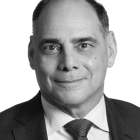
By Dan Lips
The Senator who wrote It Takes a Village apparently believes it takes the federal government to decide how American families prepare their 4-year-olds for kindergarten.
Senator Hillary Clinton (D-NY) recently unveiled a proposal for a new $10 billion federal program to offer government-subsidized preschool for all children across the country. Under her plan, states that offer such programs would be eligible to receive federal funding if they agree to follow federal guidelines on matters such as teacher training requirements and curriculum guidelines.
For years, advocacy groups have been working to expand early education programs and secure universal preschool across the country. So far, only Georgia and Oklahoma offer universal government-subsidized preschool, while 40 states and the District of Columbia offer preschool for targeted groups of students. Senator Clinton's plan is to use the lure of billions in federal tax dollars to expand the number of states offering universal preschool.
Parents and taxpayers should read the fine print before embracing the latest federal initiative geared to help children. The Clinton plan is based on two flawed assumptions-first, that preschool is an essential component of all children's early education; second, that it's the federal government's responsibility to promote and manage it.
On this first issue, parents and taxpayers should be skeptical of promises from politicians that universal preschool will solve the problems in American education. Supporters of universal preschool tout studies that show how at-risk students have benefited from early intervention programs and argue that all children would benefit from early education.
But a careful look at the available research evidence casts doubt on these claims. Evaluations of early education interventions have shown that while participating students may yield gains in the short-run, these benefits typically disappear over time. Other academic studies, such as a 2005 study published by Stanford and University of California researchers, have reported that students who attend preschool may be more likely to exhibit negative social behaviors.
Even if the research evidence supported the advocates' claims, it wouldn't justify a universal program that includes subsidies for children from middle- and upper-income families. Today, families provide for their children's needs in a number of ways, including private preschool and child care and in-home family care. In addition, forty states have state-funded preschool programs, the majority of which are targeted at children with financial need.
A universal government program would disrupt the existing preschool and child care market and place a high burden on taxpayers. All families would have to decide whether enrolling their children in private preschools justifies the cost of forgoing "free" child care. The likely result would be a massive exodus from private preschool, child care, and home care, with taxpayers picking up the tab.
Fortunately, it seems many voters are rejecting calls for universal preschool. California voters rejected one such ballot initiative in 2006. The state was already spending $3 billion annually to provide subsidized preschool for disadvantaged children. Proposition 82 would have extended those benefits to all middle- and upper-income families at an additional cost of $2 billion per year. More than 60 percent voted against the universal preschool initiative.
Sen. Clinton seems to think that she knows better than California voters and policymakers in other states. By offering between $5 billion and $10 billion in federal grants, Sen. Clinton's plan would force state lawmakers to choose whether to implement expansive government preschool programs (and receive federal funding) or reject the offer and watch their constituents' tax dollars flow to neighboring states. If history is any guide, it's likely that many states will take the bait.
Once they do, participating states would be forced to comply with burdensome federal rules governing preschool just as K-12 public schools must comply with the federal No Child Left Behind law. Congress-rather than Mom and Dad or the nearest state legislature-would make decisions about what type of training a preschool teacher must have and what type of curriculums should be used.
Campaign promises for new federal programs to help children probably sound appealing to some voters. But parents and taxpayers should question whether they really want Congress and the federal bureaucracy deciding how every 4-year-old in the country is preparing for school.
Dan Lips is Education Analystat the Heritage Foundation, www.Heritage.org.



